
Homemade Adobo Seasoning: A Low-Sodium Latin Spice Blend
Ingredients
Method
- Add the garlic powder, salt, black pepper, oregano, and turmeric to a spice grinder or small food processor.
- Pulse several times until the mixture is well combined and evenly ground.
- Transfer the adobo seasoning to an airtight container and store in a cool, dark place.
Nutrition
Notes
Tried this recipe?
Let us know how it was!What Is Adobo Seasoning?
Okay, let’s be real for a second. I used to just grab that little yellow and red bottle of adobo seasoning at the grocery store without a second thought. You know the one. It’s been a pantry staple in so many kitchens for years, and for good reason it’s incredibly versatile. But then I actually looked at the ingredient list. And, well, let’s just say I wasn’t thrilled about all the anti-caking agents and the sky-high sodium content.
So I started making my own. And honestly? I’m never going back. This homemade adobo seasoning is fresher, you control exactly what goes in it, and it takes about five minutes. Maybe less if you’re not as clumsy as me. The best part? You can make a low-sodium version that actually tastes like something, not just salt.
At its core, adobo seasoning is a simple all-purpose spice blend. It’s the workhorse of Latin American cooking, a go-to dry rub for chicken, a quick marinade base, and a way to add instant depth to beans, rice, or veggies. Think of it as your secret weapon for weeknight dinners. And this recipe? It’s the one I turn to every single time.

What Does Adobo Seasoning Taste Like?
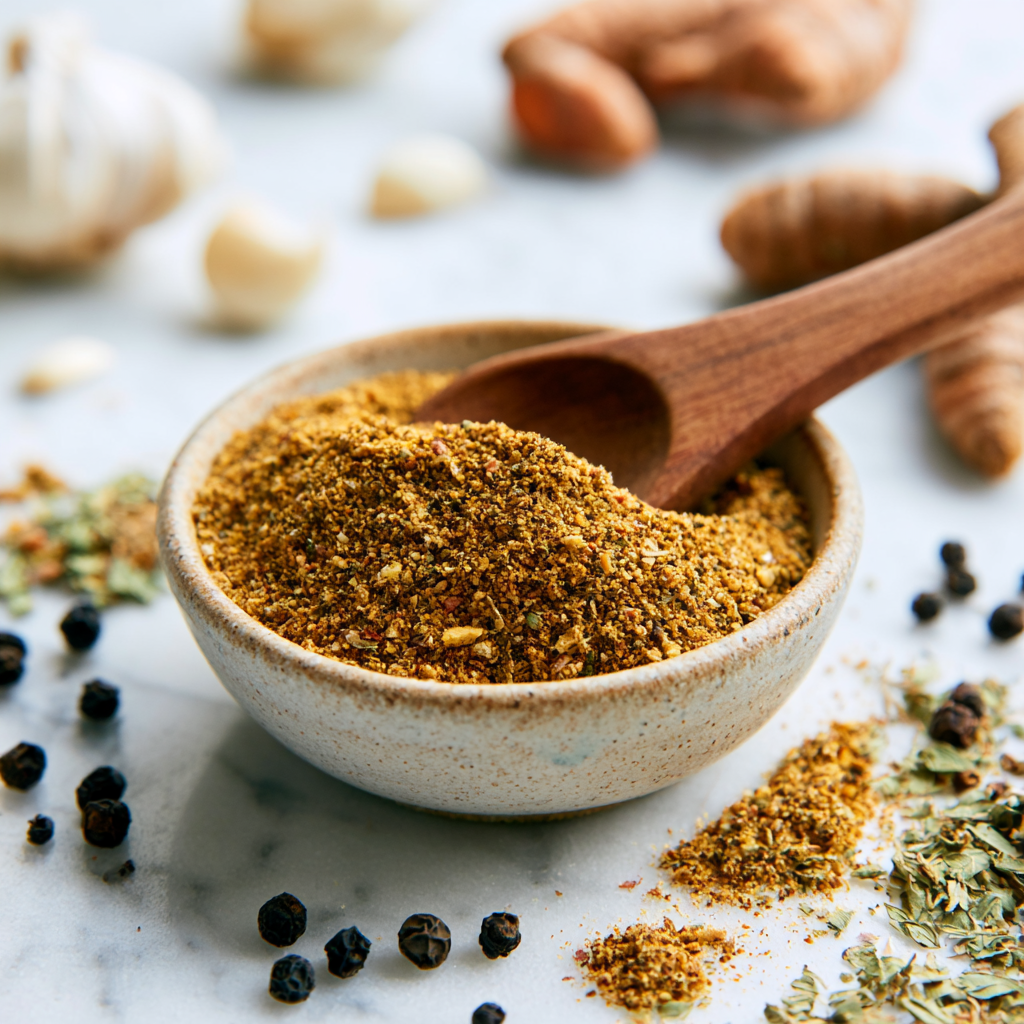
If you’ve never tried it, adobo seasoning has this really distinct, savory profile. It’s garlic-forward, which I absolutely love. The garlic powder gives it that punchy, aromatic base. Then you get this warm, earthy undertone from the black pepper and a subtle floral, almost citrusy note from the dried oregano. And there’s a tiny bit of ground turmeric in there, which adds a lovely golden color and a mild, slightly peppery warmth.
It’s not spicy in a hot way. It’s more like a well-rounded, savory blanket of flavor. It’s the kind of seasoning that makes you go, “Hmm, what’s in this?” in a good way. It’s complex without being complicated. And when you make it yourself, those flavors are so much brighter and more pronounced than the stuff that’s been sitting in a warehouse for a year.
I promise this is easier than you think. You can totally mess with the ratios once you get the hang of it, but this base recipe is solid gold.
Homemade vs Store-Bought Adobo
Look, I’m not here to bash store-bought adobo seasoning completely. It’s convenient, and it’s what a lot of us grew up with. But once you make your own, you’ll see the difference. It’s night and day.
Here’s the thing: most commercial blends are heavy on the salt. Like, really heavy. A single teaspoon can have a huge chunk of your daily sodium. If you’re watching your blood pressure or just trying to eat a little cleaner, that’s a problem. With this homemade adobo seasoning recipe, you can dial the salt way back or even skip it entirely. The garlic powder and oregano do so much heavy lifting that you honestly won’t miss it.
Plus, no MSG, no anti-caking agents, no weird fillers. Just real spices. And it’s cheaper, too. You probably already have most of these adobo seasoning ingredients in your spice cabinet. So why buy a little bottle when you can make a bigger, better batch for pennies?
Ingredients for Homemade Adobo
Alright, let’s talk about what goes into this blend. It’s a short list, which is part of the beauty of it. Here’s what you’ll need:
- Garlic powder: This is the star of the show. It’s what gives adobo seasoning its signature savory punch. Don’t use garlic salt unless you’re adjusting the salt content.
- Salt: I use fine sea salt or kosher salt. You can adjust this up or down depending on your dietary needs. For a low-sodium adobo, cut it in half or leave it out entirely.
- Ground black pepper: Adds a gentle heat and earthy depth. Freshly ground is always better if you have it.
- Dried oregano: This is where you can make a choice. For a more authentic Latin flavor, use Mexican oregano. It has this lovely citrusy, slightly floral note that’s different from the Mediterranean kind. If you only have regular oregano, it’ll still work, but it’ll taste a bit more like Italian seasoning.
- Ground turmeric: This is the secret for that beautiful golden color. It also adds a mild, peppery warmth and some anti-inflammatory benefits. A little goes a long way.
That’s it. Five ingredients. You might be thinking, “Wait, no cumin? No paprika?” And you’re right, those are common additions in some variations. But this is the classic, simple blend. You can always add those in later if you want.
How to Make Adobo Seasoning
Making this is almost too easy. Seriously, you’ll wonder why you didn’t do it sooner. Here’s how it goes:
Stage 1: Measure and Combine
Grab a small bowl or a spice grinder. Measure out your garlic powder, salt, black pepper, oregano, and turmeric. I like to use a spice grinder or a small food processor because it helps everything mix evenly and breaks down the oregano into smaller pieces. But if you don’t have one, you can just whisk it all together in a bowl. Just make sure the oregano is crushed well.

Stage 2: Pulse or Whisk
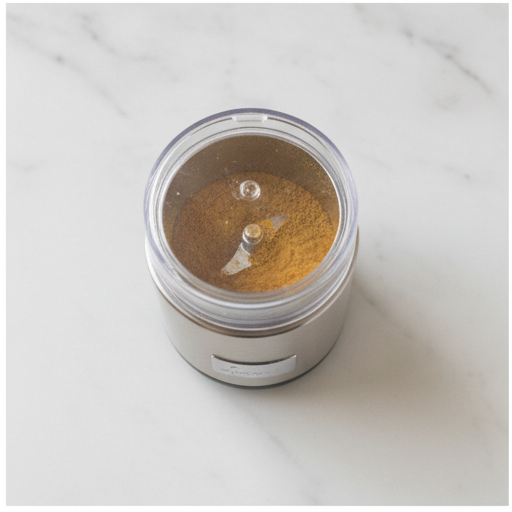
If you’re using a grinder, pulse it a few times maybe 5 or 6 short bursts. You’re not trying to turn it into a powder, just get everything evenly distributed. If you’re whisking, go at it for a good 30 seconds to make sure there are no clumps. You’ll see the color turn a uniform golden-brown. That’s how you know it’s ready.

Stage 3: Check the Consistency
Take a look at the blend. Are there any big chunks of oregano? Give it another quick pulse. Is the garlic powder clumping? That can happen if it’s a little humid. Just break it up with a fork or give it another whirl. The texture should be fairly fine and uniform, like a dry rub.
Stage 4: Store It
Transfer your homemade adobo seasoning to an airtight container. A small glass jar with a tight-fitting lid works perfectly. I use a little 4-ounce mason jar. Make sure it’s completely dry before you put the seasoning in moisture is the enemy here.

Tips for the Best Adobo Seasoning
I’ve made this blend more times than I can count, and I’ve picked up a few tricks along the way. Here are my best tips:
- Use high-quality spices. This makes a bigger difference than you’d think. Fresh spices have way more flavor. If your garlic powder has been sitting in the back of your cabinet for three years, it’s time to replace it.
- Toast the oregano (optional). If you want to really wake up the flavor, you can toast the dried oregano in a dry pan over low heat for about 30 seconds before adding it to the blend. Just watch it it burns fast.
- Add a little cornstarch or rice. If you live in a humid climate, a teaspoon of cornstarch or a grain of uncooked rice in the jar can help prevent clumping. It’s totally optional, but it works.
- Label your jar. Trust me, you’ll forget what it is in a month. Write the date and the name on a piece of tape.
- Start with less salt. You can always add more salt later when you’re cooking. It’s much harder to take it out.
Ways to Use Adobo Seasoning
This is where the fun begins. This adobo seasoning is incredibly versatile. Here are some of my favorite ways to use it:
- Dry rub for chicken: Pat chicken pieces dry, coat them with the seasoning (about 1 teaspoon per pound), and let it sit for 15-30 minutes before grilling or baking. It forms this amazing crust.
- Marinade base: Mix a tablespoon of the seasoning with some olive oil and a squeeze of lime juice. Toss with chicken, fish, or veggies and let it marinate for 20 minutes.
- Seasoning for rice and beans: Add a teaspoon to the pot when cooking rice or simmering beans. It adds so much flavor.
- Vegetable roaster: Toss chopped potatoes, carrots, or zucchini with olive oil and a generous sprinkle of adobo seasoning. Roast at 400°F until tender.
- Eggs: A pinch on scrambled eggs or in an omelet is a game-changer.
It’s basically a grilling seasoning blend that works for everything. I use it on chicken, fish, and even tofu. My family loves it on grilled corn on the cob.
How to Store Adobo Seasoning
Proper storage is key to keeping your homemade adobo seasoning fresh and flavorful. Here’s what I do:
Store it in an airtight glass jar with a tight-fitting lid. Keep it in a cool, dark place away from your stove or oven. Heat and light are the enemies of dried spices. A spice cabinet or a drawer works perfectly. I keep mine in the pantry.
If you want to go the extra mile, you can add a food-grade desiccant pack to the jar to absorb any moisture. This is especially helpful if you live in a humid area. It’ll keep the blend from clumping.
Properly stored, this adobo seasoning will last for up to 6 months. After that, the flavors will start to fade. But honestly, you’ll probably use it up way before then.

Frequently Asked Questions
Now Go Grill Something
Seriously. Make a batch of this adobo seasoning, and then go fire up the grill. It’s the perfect summer companion. The smell of garlic and oregano hitting hot chicken is just incredible. It’ll make your whole backyard smell amazing.
I love making a big jar of this at the start of summer. It saves me so much time during the week. I can just grab some chicken, coat it with the seasoning, and throw it on the grill. Dinner is ready in 20 minutes, and it tastes like I spent all day on it.
So what are you waiting for? Grab your spices, give them a whirl, and get ready to impress yourself. And hey, if you make this, pin it for later on Pinterest so you always have the recipe handy. Happy grilling!
Source: Nutritional Information