
Golden Greek Stuffed Onions with Beef, Rice and Feta
Ingredients
Method
- Preheat the oven to 375°F with a rack in the middle position.
- Bring a large pot of salted water to a boil. Trim the tops and bottoms off the onions, peel them, and cut a vertical slit down one side of each onion. Boil for 10 to 15 minutes, until the layers are pliable and tender. Save the onion broth. When the onions are cool enough to handle, gently separate the 3 or 4 largest outer layers from each onion and set them aside. Reserve the onion centers for the sauce.
- Heat the olive oil in a large skillet over medium heat. Add the chopped onion and cook until soft, then stir in the garlic and cook for about 2 minutes, until fragrant.
- Add the ground chuck and turn the heat to medium-high. Cook, breaking up the meat, until it begins to brown. Season with salt and pepper, stir in the crushed tomatoes, and let the mixture simmer until it starts to thicken. Add the arborio rice and mix well.
- Remove the skillet from the heat and fold in the oregano, parsley, mint, and feta. Taste and add more salt and pepper if needed.
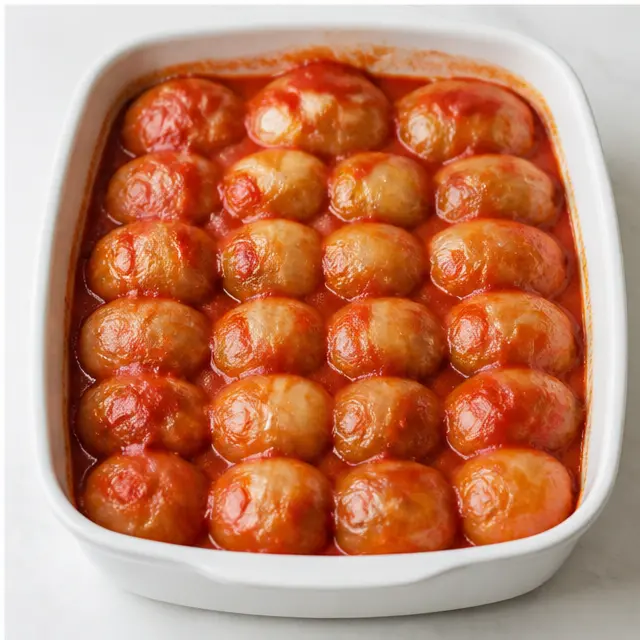
- Scoop 1 to 2 tablespoons of filling onto the center of each onion layer and roll it up like a little package. Place seam side down in a 9 by 13 inch baking dish, packing the rolls very close together so they don't open. You may need two baking dishes to fit them all.
- In a large measuring cup or bowl, combine the tomato paste, reserved onion broth, and chopped onion centers. Puree with an immersion blender until smooth. Taste and season with salt and pepper. Pour the sauce over the stuffed onions, adding more hot broth if necessary to mostly cover them. Cover the dish tightly with foil.
- Bake covered for 1 hour. Remove the foil and bake for another 30 minutes, until the sauce has thickened and the onions have caramelized. If desired, broil for a couple of minutes, watching carefully.
- Serve warm with pita and extra feta on the side.
Nutrition
Notes
Tried this recipe?
Let us know how it was!Why This Recipe Works
My first batch of Greek stuffed onions looked like origami gone wrong. Layers torn everywhere, filling leaking out, and honestly? A little sad. But once I figured out the technique, it completely changed the game.
These aren’t just any stuffed onions. They’re salantourmasi, a beloved gemista-style dish. Think soft, caramelized onion shells wrapped around a juicy ground beef and rice stuffing, all baked in a rich tomato broth. It’s Greek comfort food at its absolute finest.
This Mediterranean stuffed onion recipe is forgiving, endlessly customizable, and tastes even better the next day. So, let’s get you set up for success.
Where Do Stuffed Onions Originate?
As a quick aside for your next dinner party: stuffed onions have deep roots in Cyprus and Anatolia, where cooks transformed humble ingredients into something festive. They’re a cousin of dolmades, which makes sense given the grape-leaf-like rolling technique. You’re basically making a Greek Sunday dinner centerpiece that’s been loved for generations.

Key Ingredients for Salantourmasi
This recipe relies on simple, honest ingredients. No fancy molecular gastronomy, just good Mediterranean staples. But each one has a job to do, and understanding that makes all the difference.
For the onion shells:
- Large yellow onions: They’re the whole show. Yellow onions have a great balance of sweetness and sharpness that mellows out beautifully.
For the ground beef and rice stuffing:
- Ground chuck: The 80/20 ratio keeps the filling moist through that long bake. Leaner cuts risk drying out.
- Arborio rice: This is a key player. As it cooks, it release starches that bind the filling together perfectly.
- Fresh herbs: The fresh mint and parsley aren’t just for color. They brighten the rich beef and give that unmistakable Mediterranean flavor. Dried oregano adds the earthy backbone.
- Feta cheese: Salty, tangy, and melts into the rice, creating little pockets of flavor.
For the baked stuffed onions in tomato sauce:
- Tomato paste & crushed tomatoes: They build a sauce that’s deeply savory, slightly sweet, and the perfect partner to the caramelized onion flavor.
Why We Save the Onion Broth
Here’s a pro tip most home cooks miss: don’t dump that boiling water down the drain. The reserved onion cooking broth is liquid gold. It’s packed with all the sweet, savory compounds that leach out of the onions. Pureeing it with the cooked onion centers and tomato paste makes a sauce that wraps each roll in deep, fresh-from-the-garden flavor.
How to Make Greek Stuffed Onions
Alright, let’s break this down. I’m focusing on the technique because once you understand the why, the how becomes second nature. The full measurements are in the recipe card, but here is how you nail every single stage.
Stage 1: The Blanch (Getting Those Layers Flexible)
This is the step that separates pros from amateurs. The question I get all the time is how long to boil onions for stuffed onions, and it’s usually around 10 to 15 minutes. But let’s look for the visual cue.
You want the onion layers to slide apart like a ripe avocado and become completely pliable. Cut a simple vertical slit down one side before boiling. This keeps them intact but makes them much easier to peel. When they are cool enough to handle, gently separate the large outer layers. Reserve the centers. You’ll blend them into the sauce later.

Stage 2: The Filling (Building Depth of Flavor)
While the onions cool, the filling comes together fast. Sauté the finely chopped yellow onion in olive oil until it’s soft and translucent, then add the garlic until it sizzles and becomes fragrant.
Next, crank the heat and add the ground beef. You want a good sear here, a little browning, because those browned bits mean flavor. Then stir in the crushed tomatoes and let it simmer down until thickened. Fold in the rice, herbs, and feta. Taste it. Seriously, taste it. The seasoning should be spot-on before it ever hits the oven.

Stage 3: The Roll (Going with the Grain)
This part takes a little patience, but it’s so rewarding. Lay a cooled onion layer flat, scoop a spoonful of filling onto the center, and roll it up like a little package. Don’t overstuff, or the filling will squeeze out the ends. If a shell splits, don’t panic. Just tuck it together. Pack the rolls seam side down in a 9×13-inch baking dish, snugly together. This friction is what keeps them from unfurling.

Stage 4: The Bake (Time for the Magic)
Blend the reserved onion broth with tomato paste and those chopped cooked onion centers. It gives the sauce body and a naturally sweet, savory depth that a canned tomato alone can’t match. Pour it over the rolls. They should be mostly covered.
Bake covered for 1 hour. This steams the rice and tenderizes the onion shells. Then, remove the foil and bake for another 30 minutes. This is where the caramelized onion flavor develops. The edges of the rolls will get sticky-sweet and gorgeously golden. If you want extra char, hit the broiler for a couple of minutes, but watch carefully. They burn quickly.
Tips for Perfect Stuffed Onions
Here are the most common pitfalls I see in the kitchen, and exactly how to sidestep them.
❌ Mistake: Cutting the onion all the way in half before boiling.
✅ Solution: Cut a single vertical slit down one side. This allows the layers to open up and separate without tearing into small, unusable pieces.
❌ Mistake: Not saving the onion cooking water.
✅ Solution: That broth is packed with soluble flavor. It is the foundation of your final sauce, so always reserve at least 3 cups.
❌ Mistake: Using jasmine or basmati rice.
✅ Solution: They’re too aromatic and can distract from the dish. Stick with arborio or long-grain, which have a neutral flavor and perfect texture.
❌ Mistake: Walking away during the broil.
✅ Solution: Stuffed onions can go from beautiful to burnt in about 45 seconds. Watch them like a hawk.
Tasty Variations to Try
This recipe makes about 24 rolls, perfect for a crowd. But it’s also super adaptable when you want to switch things up.
- Leaner Protein: Ground turkey or lamb are easy swaps for ground chuck. If you use turkey, add a splash of olive oil to the pan to keep it moist.
- Vegan Version: Skip the feta and meat entirely. Use a vegetarian stuffed onions with rice filling, loaded with pine nuts and extra herbs. Bake it in the same rich tomato sauce.
- Sweet Note: If you like a touch of sweetness, fold some black currants into the filling along with the herbs. The sweetness works beautifully with the caramelized onion flavor.
- Baked Leftovers: Use any leftover filling to stuff bell peppers or extra onion layers.
Best Ways to Serve Salantourmasi
These are best served warm, right out of the baking dish, when the sauce is bubbling and the onion shells are tender. I love setting them out with warm pita bread, a bowl of extra feta, and a few lemon wedges for squeezing over the top.
We’ve had them as a main course with a crunchy Greek salad, but they also feature on my table as a side dish to roast lamb. Even in a California heatwave, I’ll turn on the oven for these. Bake them in the cool evening and serve at room temperature, the way they do in Cyprus. They’re just as spectacular.
Storing and Reheating Leftovers
This is the ultimate make-ahead stuffed onions situation. In fact, they taste better on day two after the flavors have had time to mingle. Store leftovers in an airtight container in the fridge for up to 3 days.
You can also freeze them for up to 3 months. Let them thaw overnight in the fridge before reheating. When you’re ready to eat, reheat covered in a 350°F oven until warmed through, or gently on the stovetop with a splash of water or extra sauce to prevent drying out.

Greek Stuffed Onions FAQ
Once you see that pan of golden, bubbling Greek stuffed onions come out of the oven, you’ll know it was all worth it. The sticky-sweet onions, the savory herby beef, that rich tomato spooned over the top. It’s a foolproof way to bring a piece of the Mediterranean home, and I’m so excited for you to try them. When you do, let me know how it goes. And for more of my favorite Greek creations, come say hi on my Pinterest board!
Happy cooking, friends! If you loved this recipe, you might also enjoy my guides to other classic stuffed vegetables Greek style, like gemista with peppers and tomatoes. Follow me on my Pinterest board for more Mediterranean comfort food!
Source: Learn More About This Dish