
Shrimp Scampi Pasta Bake: An Incredible Ultimate Weeknight Dinner
Ingredients
Method
- Preheat your oven to 350°F (175°C). Grease a 9x13-inch baking dish with olive oil or nonstick spray.
- Bring a large pot of salted water to a rolling boil. Cook the spaghetti or linguine until al dente according to package directions, then drain and set aside.
- Meanwhile, in a large skillet over medium heat, melt 2 tablespoons of the butter with 2 tablespoons of the olive oil. Add the shrimp and cook for 2 to 3 minutes until they turn pink and just firm. Transfer to a plate.
- In the same skillet, add the remaining 2 tablespoons butter and 2 tablespoons olive oil. Sauté the garlic for about 1 minute, until fragrant. Pour in the chicken broth mixture and simmer 2 to 3 minutes, scraping up any browned bits.
- Stir in the cream, lemon zest, and lemon juice. Whisk in the Parmesan cheese until the sauce is smooth. Season with salt, pepper, and red pepper flakes if desired.
- In a large bowl, toss the pasta, shrimp, and sauce together until evenly coated.
- Pour the mixture into the prepared baking dish and spread it out evenly.
- Sprinkle the shredded mozzarella over the top.
- Bake for 30 to 35 minutes, until the cheese is golden and bubbly.
- Let the dish rest for 10 to 15 minutes before serving, so the cheese sets slightly.
Nutrition
Notes
Tried this recipe?
Let us know how it was!Why You’ll Love This Shrimp Scampi Casserole
It’s 6pm. You’re tired, the day ran long, and dinner still needs to happen. I’ve been there more nights than I care to admit.
That’s where this shrimp scampi casserole comes in. Tender shrimp nestled in a rich garlic butter sauce, tangled with pasta, showered with Parmesan and mozzarella, then baked until golden and bubbly. It feels like a restaurant meal, but it’s totally doable on a weeknight.
Here’s the thing about this version versus classic stovetop scampi. On the stove, everything happens at once and it’s easy to end up with rubbery shrimp. With the bake, the oven does the heavy lifting at the end, so you get plump, juicy shrimp without the stress. Every time I make this shrimp scampi casserole, people ask for the recipe.
- One dish, minimal cleanup. One skillet and one baking dish is all you need.
- Family approved. The garlic butter sauce plus melted cheese wins over pretty much everyone.
- Company worthy. Pull it out golden and bubbling and nobody will guess it took under an hour.
The best part? It’s a make-ahead casserole in disguise. You can prep this shrimp scampi casserole the night before, or even freeze it for a crazy week later.
Ingredient Notes & Substitutions

Let’s talk about what goes into this shrimp scampi casserole and why each piece earns its place. You don’t need anything exotic, which I love.
- Extra-large shrimp, peeled and deveined. Look for the 31 to 40 count per pound. Bigger shrimp means a meatier bite and more forgiveness in the oven. I grab mine at Costco or Ralphs, and yes, frozen works great.
- Spaghetti or linguine. Both work beautifully. Linguine holds the sauce a touch better; spaghetti is what you’ll usually find in the pantry. Take your pick.
- Unsalted butter and extra-virgin olive oil. The blend is the whole point of scampi. Butter brings richness, olive oil adds a fruity note and keeps the butter from burning.
- Chicken broth plus white wine vinegar. This is my shortcut for brightness. You get all that tang without opening a bottle. A squeeze of fresh lemon juice works too.
- California Meyer lemon. Sweeter and less sharp than regular lemons, which makes it perfect here. You’ll use both the zest and the juice.
- Heavy cream, Parmesan, mozzarella. The cream makes the sauce silky, Parmesan adds salty depth, and mozzarella gives you that golden, stretchy top.
One quick note on seasoning. Salt and freshly ground black pepper to taste, plus red pepper flakes if you like a little heat. I almost always add them. That tiny kick against the creamy sauce is seriously addictive. Don’t skip the fresh parsley either, it makes the whole dish pop.
For a weeknight dinner that still feels special, this shrimp scampi casserole absolutely hits the spot.
How to Make Shrimp Scampi Casserole
Making this shrimp scampi casserole comes together in four big moves. Think of it as: shrimp first, then sauce, then assembly, then bake. Here’s what each stage should look like.
Stage 1: Sear the Shrimp
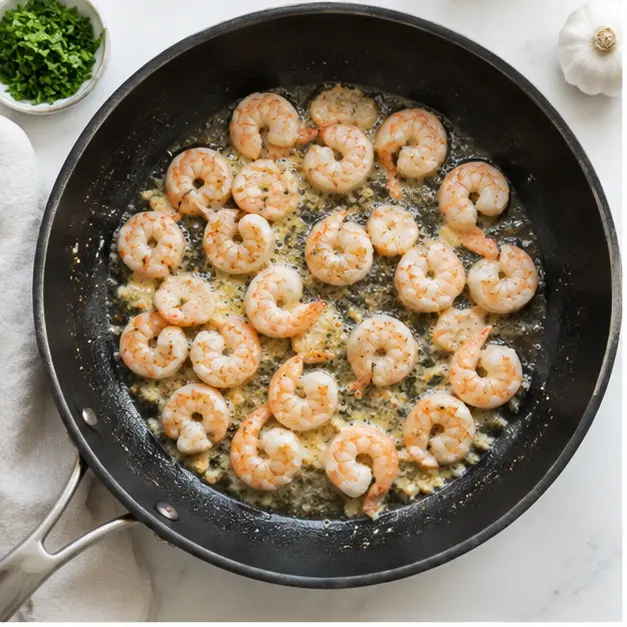
Melt 2 tablespoons of the butter with 2 tablespoons of the olive oil in a large skillet over medium heat. Add the shrimp and cook just until they turn pink and firm up, about 2 to 3 minutes. Here’s the move: pull them out the second they’re pink. The shrimp are the star of this shrimp scampi casserole, and they finish cooking in the oven, so they stay tender instead of turning into rubber.
Stage 2: Build the Garlic Butter Sauce
Same skillet, no washing needed. Add the rest of the butter and olive oil, then the minced garlic. Let it sizzle for about a minute until the kitchen smells incredible. Pour in the chicken broth mixture and scrape up all those browned bits from the bottom. That’s where the flavor hides, don’t leave it behind.
Simmer for 2 to 3 minutes, then stir in the cream, the lemon zest, and the lemon juice. Whisk in the Parmesan until the sauce is smooth. As the garlic sizzles, your shrimp scampi casserole starts smelling like a restaurant kitchen. Adjust the salt, pepper, and red pepper flakes right here.

Stage 3: Toss and Assemble
In a large bowl, toss the cooked pasta, the shrimp, and the sauce together until everything is evenly coated. It’ll look a little loose at this point. That’s exactly what you want, because the pasta keeps absorbing the sauce as it bakes. Pour the whole thing into a greased 9×13 baking dish, spread it even, and sprinkle the shredded mozzarella all over the top.

Stage 4: Bake Until Golden and Bubbly
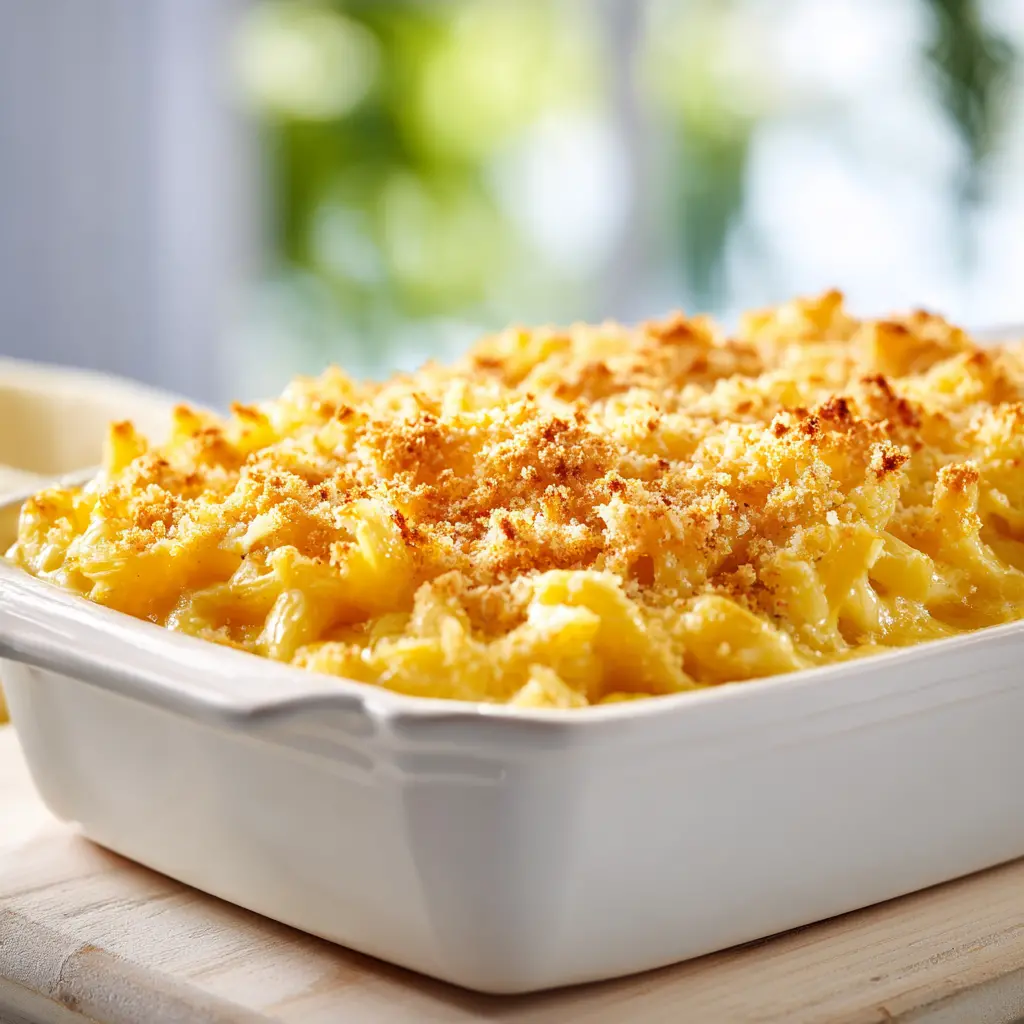
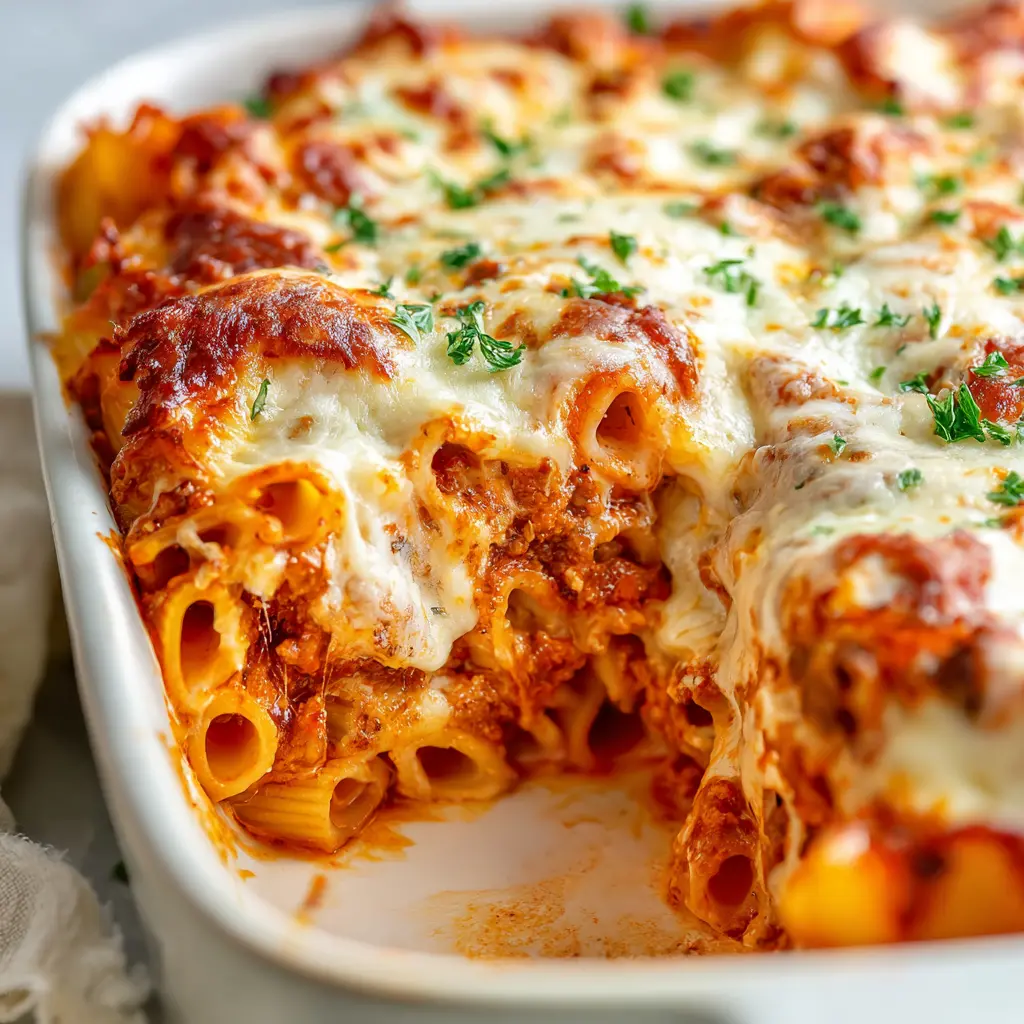
Bake at 350°F for 30 to 35 minutes, until the cheese is golden and the edges are bubbling. The moment you pull it from the oven, the butter sizzles and the lemon hits your nose. The whole kitchen fills with lemon and garlic, and you know your shrimp scampi casserole is ready. Give it 10 to 15 minutes to rest before serving so the cheese sets and the sauce settles into the pasta.

Tips for Perfect Shrimp Scampi Casserole
The first time I made this, it came out drier than the Sahara. I was so bummed. Here’s everything I wish I knew about making the perfect shrimp scampi casserole.
Common Mistakes
- ❌ Mistake: Overcooking the shrimp on the stovetop. ✅ Solution: Cook just until pink, then transfer to a plate. They finish in the oven.
- ❌ Mistake: Skipping the pat-dry on the shrimp. ✅ Solution: Pat them dry with paper towels before cooking so they sear instead of steam.
- ❌ Mistake: Cooking pasta fully. ✅ Solution: Cook al dente, or even 2 minutes shy. It keeps absorbing sauce in the oven.
- ❌ Mistake: Rushing the garlic. ✅ Solution: Let it sizzle a full minute so it turns sweet and aromatic instead of harsh.
- ❌ Mistake: Reheating without liquid. ✅ Solution: Add a splash of chicken broth or water when warming leftovers.
A few more things I’ve learned along the way. Save a cup of the pasta water before you drain. If the mixture ever looks dry before baking, a splash of it loosens everything without dulling the flavor. And if you want a deeper golden top, switch the oven to broil for the final 2 minutes. Watch it closely, it goes from gorgeous to burnt fast.
Also, don’t skip the rest time. I know it’s hard to wait when it smells that good. Those 15 minutes make the difference between a casserole that slices clean and one that turns into soup.
Delicious Variations to Try
This shrimp scampi casserole is great as written, but it loves a little customization. Here are some of my favorite twists, all optional.
. Instant special occasion, if you ask me.However you customize it, the heart of this shrimp scampi casserole stays the same: garlic, butter, lemon, tender shrimp, and pasta that’s soaked up every last drop of that sauce. It’s forgiving enough to take whatever you throw at it, and it’ll still disappear fast.
Make-Ahead, Storage & Reheating
Here’s where this recipe really earns its keep. You can assemble it a day ahead, freeze it for a month, or reheat leftovers the next day without much drama. I like to think of it as a casserole with a built-in plan for busy weeks.
Make it ahead
Assemble the casserole completely pasta, shrimp, sauce, cheese and all then cover and refrigerate for up to 24 hours. When you’re ready to bake, add about 10 extra minutes to the oven time since you’re starting from cold. Give the mixture a quick stir before baking and add a splash of chicken broth if it looks tight; the pasta drinks up sauce overnight.
Freeze it unbaked
This is my preferred method when I’m meal-prepping. Assemble everything in a freezer-safe baking dish, wrap it in a layer of plastic wrap, then a layer of foil, and freeze for up to 3 months. Bake straight from frozen, covered, at 350°F for 30 minutes. Uncover and bake another 20 to 25 minutes, until the cheese is golden and the edges bubble. Don’t thaw first it’ll turn the pasta mushy.
Store leftovers
Leftovers keep in an airtight container in the fridge for up to 3 days. In the freezer, baked portions last up to 2 months, but thaw them overnight in the fridge before reheating for the best texture.
Reheat it right
- Oven: 350°F for 15 to 20 minutes, covered with foil. Add a splash of chicken broth or water so it doesn’t dry out.
- Microwave: One portion, 1½ to 2 minutes, stirring halfway. Let it sit a minute before digging in the sauce bubbles and clings to the noodles.
- From frozen (baked portions): Thaw overnight in the fridge, then reheat in the oven as above. Trust me, thawing beats nuking a frozen block.
Serving Suggestions
This casserole is a one-dish hero. It doesn’t need much, but the right side makes it sing.
- Crusty bread. Baguette or sourdough, warmed until the butter melts on contact. You’ll be glad you have it when you reach the bottom of the pan.
- Simple green salad. Arugula with shaved Parmesan and a lemony vinaigrette cuts through the richness. Keep it light and bright.
- Sautéed greens. Garlicky spinach or broccolini quick, healthy, and they love the garlic butter sauce as much as the shrimp do.
- Steamed asparagus. If it’s in season, this is my top pick. The lemon and the asparagus are a perfect pair.
A salad and a piece of bread is honestly all this shrimp scampi casserole needs to become a complete meal.
Frequently Asked Questions
Can I use frozen shrimp?
Yes, and I do it all the time. Thaw them overnight in the fridge or in a bowl of cold water for about 15 minutes, then pat them thoroughly dry. The dry pat matters more than you’d think extra water steams the shrimp instead of searing it.
Can I use pre-cooked shrimp?
You can, but the texture won’t be the same. Pre-cooked shrimp were already brought to temperature once, and the oven will cook them again, which is a recipe for rubber. If that’s all you’ve got, add them to the sauce right before baking and pull the casserole 10 minutes early, just until it’s hot and bubbly.
Can I make this shrimp scampi casserole ahead of time?
Yes. Assemble it without baking, cover, and refrigerate up to 24 hours. Add 10 minutes to the bake time and consider a splash of chicken broth before baking since the pasta will have absorbed some sauce overnight.
Can I freeze shrimp scampi casserole?
Yes. Freeze it unbaked for up to 3 months, tightly wrapped, and bake from frozen (covered 30 minutes, then uncovered 20 to 25 minutes at 350°F). Baked leftovers also freeze for up to 2 months. Thaw those in the fridge overnight before reheating.
What’s the best pasta shape for this?
Spaghetti and linguine are the classics and what I use most. But fettuccine, penne, or even shells work great too. The shorter shapes are actually easier for kids. Whatever you pick, cook it al dente it continues cooking in the oven and keeps absorbing that garlic-butter sauce.
Can I make it gluten-free?
Totally. Use a sturdy gluten-free pasta, the kind you’d actually use for a baked pasta dish, and if you’re using a thickener anywhere, swap in a gluten-free flour blend. Everything else the shrimp, the sauce, the cheese is already gluten-free.
Can I substitute heavy cream with half-and-half or milk?
You can. Half-and-half will give you a lighter but still creamy sauce. Milk will be thinner, so add a little extra Parmesan to help bring the body back. Either way, don’t be alarmed if the sauce looks a touch looser before baking the pasta starch thickens it up in the oven.
What if I don’t have white wine vinegar?
Skip it and use a generous extra squeeze of lemon juice. That’s my favorite swap anyway. You want the same bright, acidic zip that balances the butter and cream.
Can I add vegetables without changing the cooking time?
Yes, as long as they’re cooked first. Sauté spinach, zucchini, or cherry tomatoes quickly in the same skillet after you sear the shrimp, then fold them into the pasta. Raw veggies release water during baking, so giving them a head start keeps your casserole from turning soupy.
Why does the sauce seem to disappear after baking?
That’s the pasta being polite. It absorbs the sauce as it bakes, which is exactly why every bite is so flavorful. If you prefer a saucier casserole, stir in ¼ to ½ cup of chicken broth before baking, or use your reserved pasta water. You’ll be glad you saved it.
How can I tell if the shrimp is fully cooked?
Look for three things. The shrimp should be opaque all the way through (no grey, translucent spots), curled into a loose C-shape, and pinkish-orange in color. If it’s coiled into a tight O, it’s been in there too long. When in doubt, pull it out the residual heat finishes the job.
How do I prevent a watery casserole?
Wet shrimp and poorly drained pasta are almost always the culprits. Pat the shrimp dry before searing, drain the pasta thoroughly, and give the finished casserole those 10 to 15 minutes of rest before you slice into it. That resting time is what lets the sauce settle into the noodles instead of pooling.

Expert Notes & Data Insights
Here’s the nerdy part I love about this dish. Once you understand the “why” behind a few of these steps, you’ll never go back.
Shrimp doneness is protein science. When shrimp hit heat, the proteins denature and re-coil, which is what turns them from translucent grey to opaque pink. The C-shape is your visual cue: it means the muscle fibers have contracted enough to be tender, but not so much that they’ve squeezed out moisture and turned rubbery. Pull them at the first sign of pink and let the oven handle the rest.
Pasta starch is the secret to the silky sauce. As pasta cooks, it sheds starch into the water. When that same starchy pasta meets the garlicky lemon-butter sauce, it thickens things naturally and helps the sauce cling to every strand. It’s the same reason you cook the noodles shy of al dente and why saving a cup of pasta water is a smart habit it’s cheap insurance for the perfect consistency.
The butter-olive oil blend isn’t an accident. Butter brings the rich flavor we all crave, but it has a low smoke point and burns easily. The olive oil raises the temperature safe zone, so you can sizzle garlic and brown butter bits without anything turning bitter.
One last number worth remembering: 2 to 3 minutes for the shrimp on the stove, 30 to 35 minutes in the oven, and 15 minutes of rest. That’s the pattern I’ve tested more times than I can count, and it delivers every single time.
I hope this shrimp scampi casserole becomes as much of a staple in your kitchen as it is in mine. Make it for a quiet weeknight, make it for company, and definitely make a second one to stash in the freezer. You’ll thank yourself on the busy nights.