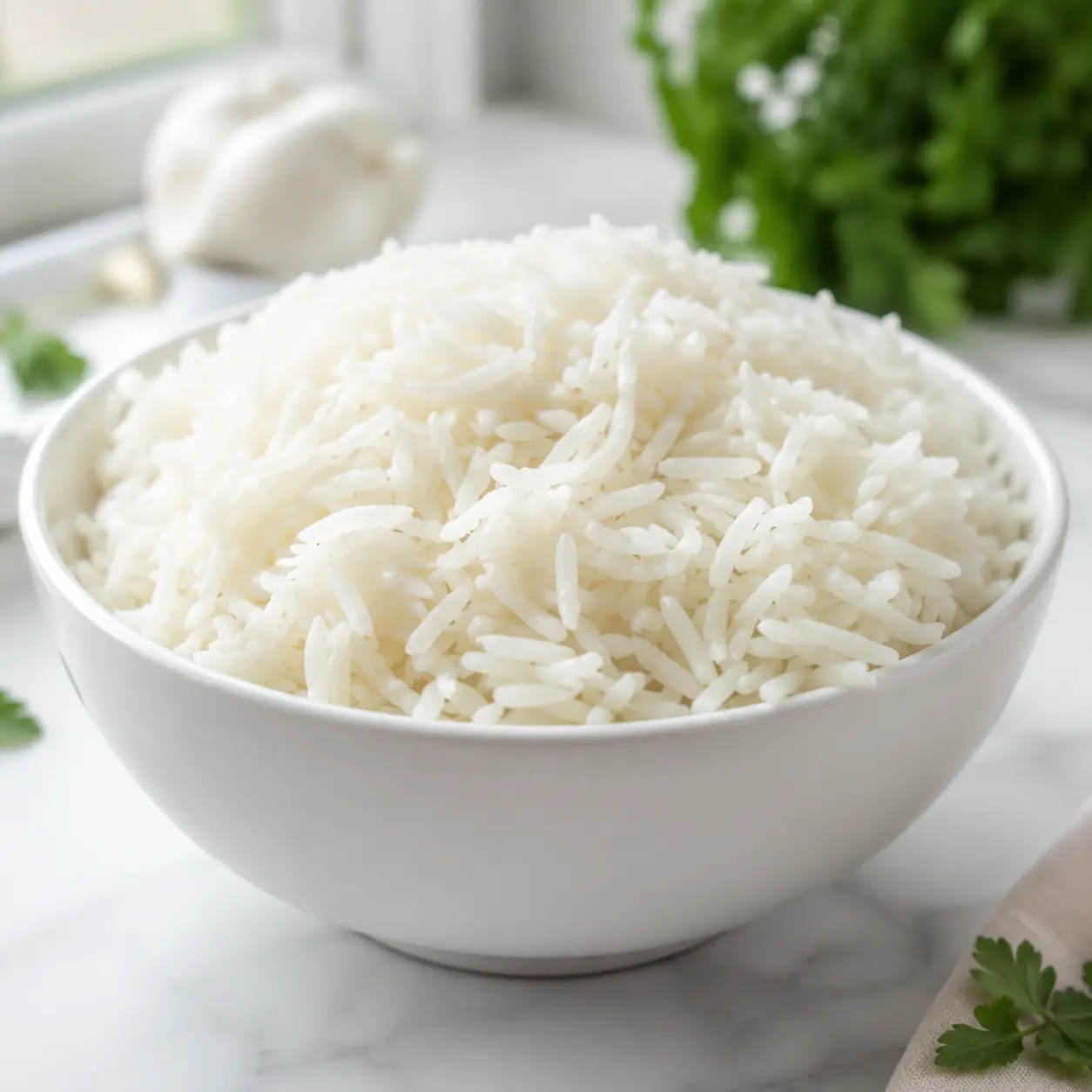
How to Cook Rice Perfectly Every Time
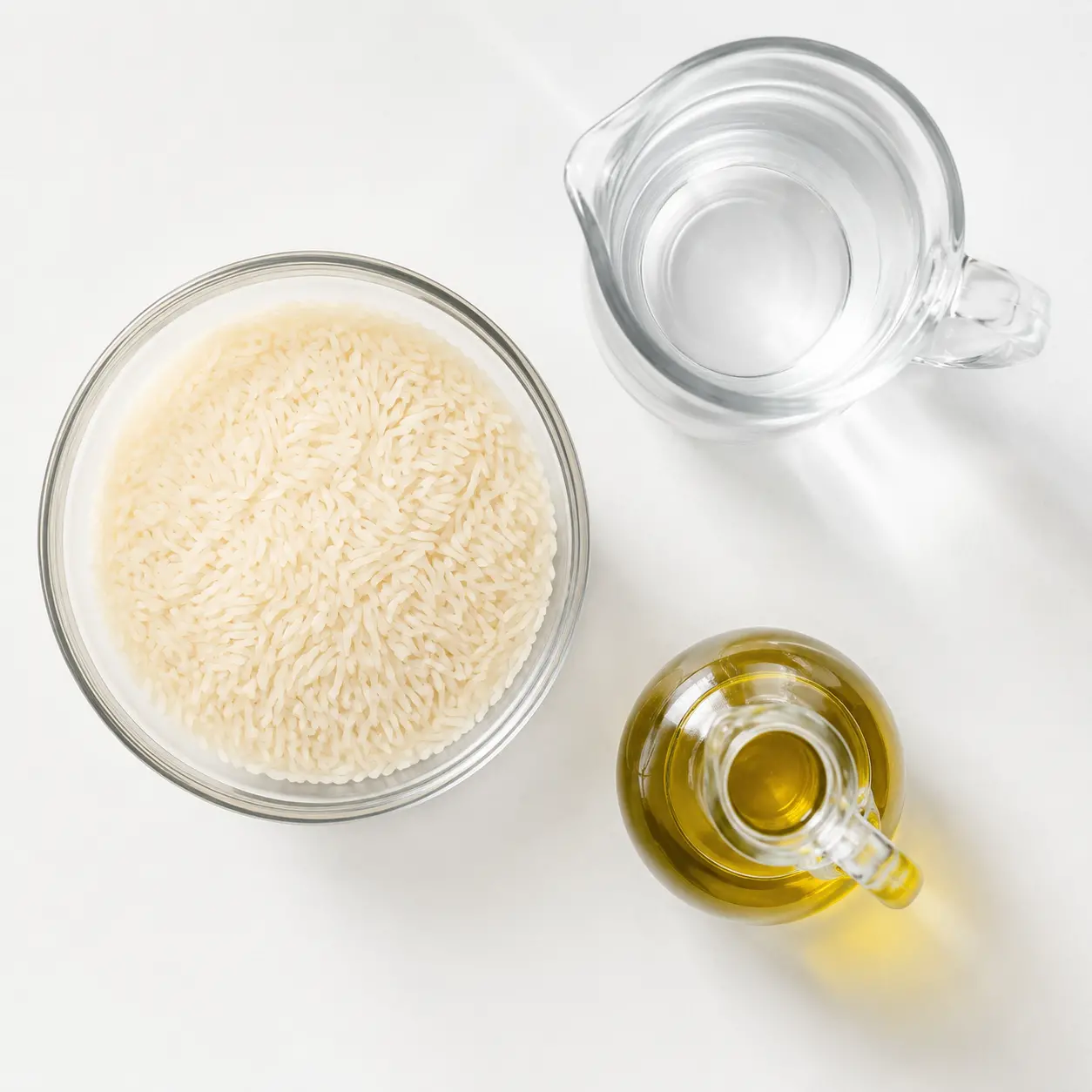
Ingredients
Method
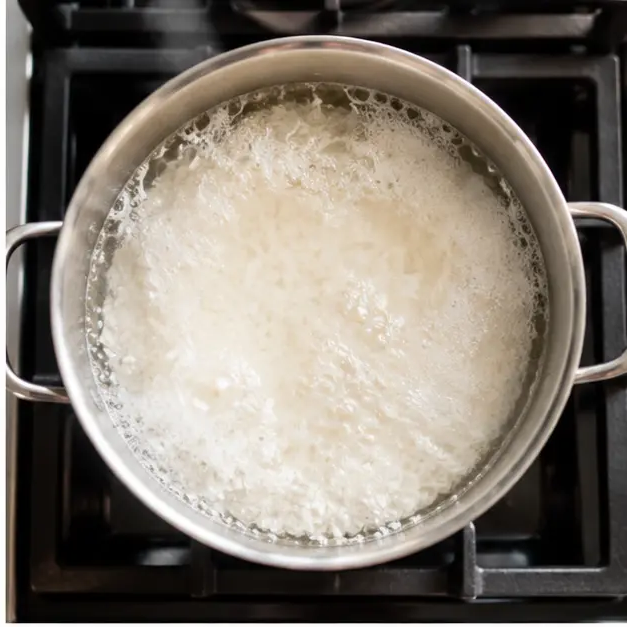
- In a medium pot, combine the rinsed rice, water, and olive oil. Bring to a boil over high heat.
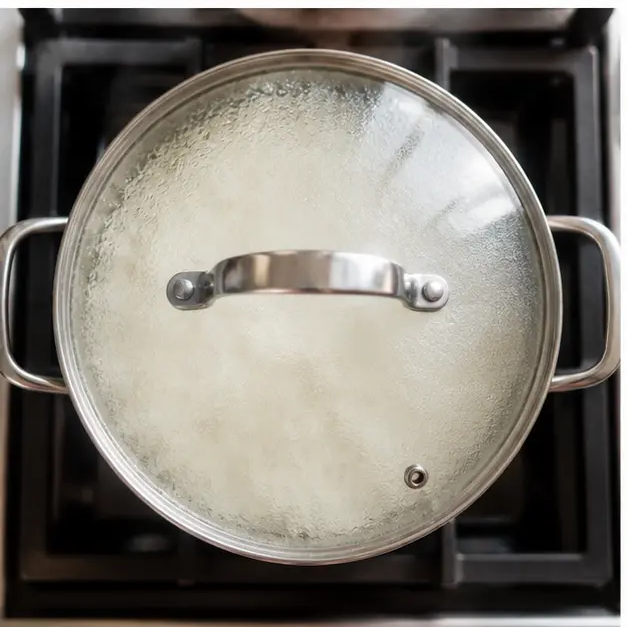
- Cover the pot, reduce the heat to low, and simmer for 15 minutes, or until the liquid is fully absorbed.
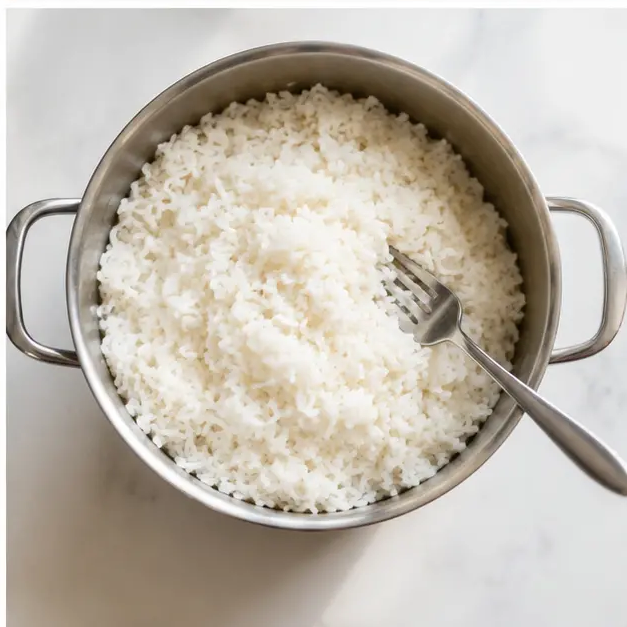
- Remove the pot from the heat and let it sit, covered, for 10 minutes. Fluff the rice gently with a fork before serving.
Nutrition
Notes
Tried this recipe?
Let us know how it was!I Used to Be Terrible at Cooking Rice
Okay, I’ll just say it. I used to burn rice like it was my job. Like, I’d walk away for two minutes and come back to a pot that smelled like a campfire. Or worse, I’d lift the lid to check on it and find a sticky, gluey mess that belonged in a crafts project, not on my dinner plate. It was frustrating. And honestly? Kind of embarrassing. I mean, it’s rice. It’s a staple. How hard could it be?
Pretty hard, turns out. Until I figured out the one simple trick that changed everything. And that trick is… using less water than you think. I know, I know. Every box says 2 cups of water for 1 cup of rice. But trust me on this one. That’s too much water for most stovetop methods. The secret to fluffy rice is a water to rice ratio of 1.5 to 1. That’s it. That’s the whole game. Once I switched to that ratio, I never went back. And now I’m going to show you exactly how to do it.
Best Rice-to-Water Ratio for White Rice
So here’s the deal. The ratio is 1.5 cups of water for every 1 cup of rice. That’s it. I know it sounds like not enough water, but I promise you, it’s perfect. Why? Because rice cooks by absorbing water. If you give it too much water, it gets waterlogged and turns into a sticky, mushy mess. If you give it too little, it’s crunchy and dry. The 1.5:1 ratio is the sweet spot for long-grain white rice, like jasmine or basmati. It gives you perfect rice every time.
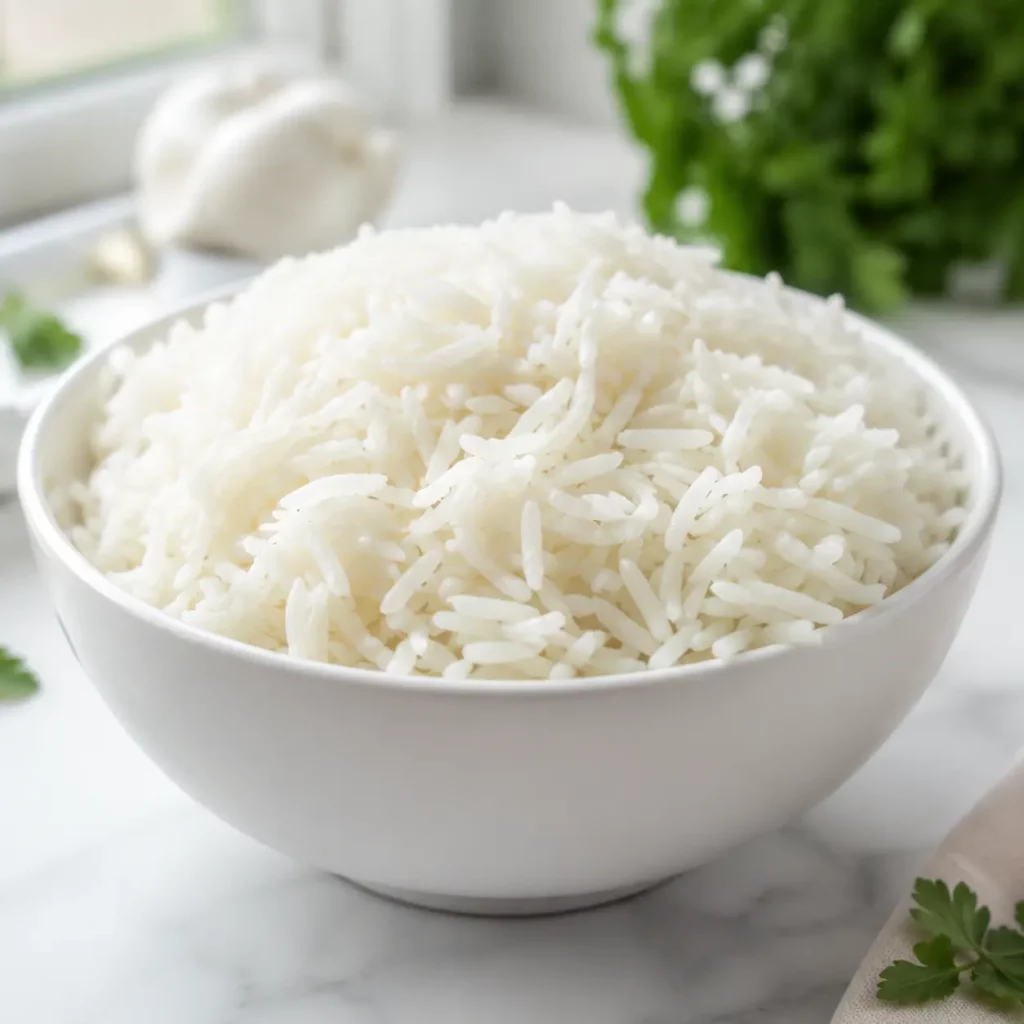
I remember the first time I tried this. I was so nervous. I kept thinking, “This is going to be crunchy. I should add more water.” But I didn’t. I just let it cook. And when I lifted the lid after resting it… I almost cried. It was beautiful. Separate, fluffy grains that looked like they came from a restaurant. I actually took a picture and sent it to my mom. She was proud. I was proud. And you will be too.
Should You Rinse Rice Before Cooking?
This is a debate that gets people fired up. And I get it. Rinsing rice is an extra step, and when you’re hungry, every minute counts. But here’s the thing: rinsing rice removes excess starch from the surface of the grains. That starch is what makes rice sticky and clumpy. So if you want fluffy rice with separate grains, you should rinse it. It’s not a hard rule, but it’s a good one.
If you’re using jasmine rice, rinsing is especially important. That rice has a lot of surface starch. If you skip rinsing, you’ll end up with a bowl of sticky rice that’s more like sushi rice than the fluffy side dish you’re going for. For basmati, it’s also a good idea. For short-grain rice, like the kind you use for rice pudding or sushi, you actually want some of that starch, so you might skip rinsing. But for this recipe, with standard long-grain white rice, give it a quick rinse. Just put the rice in a fine-mesh strainer and run cold water over it, swishing it around with your hand, until the water runs clear. It takes like 30 seconds. Totally worth it.
But hey, if you’re in a rush or you just don’t feel like it? No judgment. You can skip rinsing. The rice will still be good. It might be a little stickier, but it’ll still be edible. I’ve done it. We’ve all done it. It’s fine.
How to Cook Rice on the Stovetop
Okay, let’s get into the actual how to cook rice part. This is the method I use every single time. It’s the absorbent method, which means the rice absorbs all the water, and you don’t have to drain it. It’s simple, it’s hands-off, and it works.
Here’s what you do. First, rinse your rice. Then, in a medium pot, combine the rinsed rice, the water (1.5 cups per 1 cup of rice), and a teaspoon of olive oil. The oil is optional, but I like to add it because it helps prevent the rice from sticking together and adds a little bit of richness. If you don’t have olive oil, you can use butter. Or just skip it. It’s not a dealbreaker.
Bring the pot to a boil over high heat. You’ll see the water bubbling and the rice grains dancing around. That’s normal. Don’t stir it. Just let it boil. Once it’s boiling, cover the pot with a tight-fitting lid, reduce the heat to low, and let it simmer. And I mean low. Like, the lowest setting on your stove. You should barely see any bubbles. Just a gentle, quiet simmer. This is the most important part. If you cook it on high heat, the water will evaporate too fast and the rice will burn on the bottom. Low and slow is the way to go.
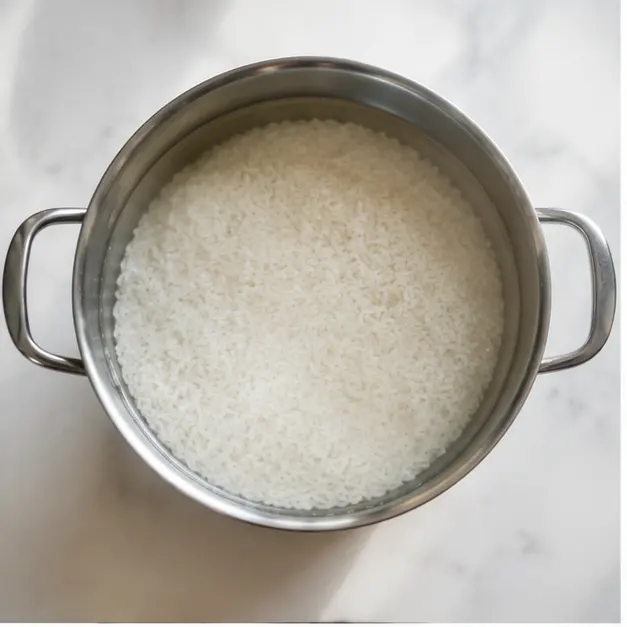
Let it simmer for 15 minutes. Set a timer. Do not lift the lid. I know it’s tempting. I know you want to check on it. But every time you lift the lid, you let out steam, and that steam is what’s cooking the rice. So keep the lid on. Trust the process. After 15 minutes, the water should be fully absorbed. If you peek (and I know you will), you’ll see that the surface of the rice looks dry, with small steam holes dotting the surface. That’s a good sign.
Now, here’s the second most important part: resting. Remove the pot from the heat and let it sit, still covered, for 10 minutes. Do not skip this step. The resting time allows the residual steam to finish cooking the rice and redistribute the moisture evenly. It’s like letting a steak rest after you cook it. It makes everything better. I usually set a timer for this too, because I have the attention span of a goldfish and I’ll forget.
After 10 minutes, remove the lid. You’ll see a gentle puff of steam rise up. That’s the smell of success. Then, take a fork and fluff the rice gently. Don’t use a spoon. A spoon will mash the grains together. A fork separates them. Gently run the tines through the rice, lifting and separating the grains. You’ll see them fall apart, light and fluffy. It’s a beautiful thing.
How to Tell When Rice is Done
So you’ve followed the steps, but you’re still not sure if it’s done. What do you look for? First, the visual cues. When you lift the lid after the 15-minute simmer, the surface of the rice should look dry. There shouldn’t be any standing water. You might see small steam holes on the surface, like little craters. That’s a great sign. The grains should be plump and tender, not hard or crunchy in the center.
Second, the taste test. Take a small spoonful from the top (not the bottom, where it might be a little wetter) and taste it. It should be tender but still have a slight chew. It shouldn’t be mushy or pasty. If it’s still a little hard in the center, add a tablespoon of water, cover, and let it steam on low heat for another 2-3 minutes. Then rest again. It’s a forgiving process.
Third, the texture. When you fluff it with a fork, the grains should separate easily. They shouldn’t clump together or feel gummy. If they do, you might have used too much water or not rinsed the rice. But don’t worry, we’ll fix that in the next section.
Why Is My Rice Dry or Mushy?
Okay, let’s troubleshoot. Because let’s be real, sometimes things go wrong. And that’s okay. Here are the most common problems and how to fix them.
- ❌ Mushy, sticky rice: You used too much water. Or you didn’t rinse the rice. Or you stirred it while it was cooking. Next time, use less water (1.5:1 ratio) and rinse the rice first. And for the love of all that is good, don’t stir it while it’s simmering.
- ❌ Crunchy, undercooked rice: You used too little water. Or the heat was too high and the water evaporated before the rice was done. Next time, add a splash more water and cook it on lower heat. If it’s already crunchy, add a few tablespoons of water, cover, and steam on low for another 5 minutes.
- ❌ Burnt rice on the bottom: Your heat was too high. Or you didn’t let it rest long enough. The bottom layer can burn if the heat is too intense. Keep it on low heat. If it’s already burnt, don’t scrape the burnt part into the rest of the rice. Just scoop out the good rice from the top.
- ❌ Rice is too dry: You might have let it cook too long, or the heat was too high. If it’s dry, add a splash of water, cover, and let it steam for a few minutes. It’ll rehydrate.
The most common mistake, by far, is using too much water. Everyone thinks they need more water than they actually do. I did it for years. But once you switch to the 1.5:1 ratio, you’ll never go back. It’s the no fail rice method.
Flavor Variations to Try
Once you’ve mastered the basic how to cook rice, you can start playing with flavors. Plain white rice is great, but it’s also a blank canvas. Here are some simple ways to jazz it up.
- Cilantro Lime Rice: After fluffing the rice, stir in a handful of fresh chopped cilantro and a squeeze of lime juice. This is amazing for tacos or burrito bowls.
- Garlic Butter Rice: Before adding the water, sauté a minced clove of garlic in a little butter for about 30 seconds. Then add the rice and water and cook as usual. The garlic infuses the rice with flavor.
- Turmeric Rice: Add 1/2 teaspoon of ground turmeric to the water before cooking. It gives the rice a beautiful golden color and a mild earthy flavor.
- Tomato Rice: Replace 1/2 cup of the water with tomato sauce or crushed tomatoes. Add a pinch of cumin and chili powder for a Mexican-inspired side dish.
- Herb Rice: Stir in fresh chopped parsley, dill, or chives after fluffing. It’s simple but adds a fresh pop of flavor.
If you’re using broth instead of water, just be mindful of the salt. Chicken broth or vegetable broth adds a lot of flavor, but it also adds salt. So you might not need to add any extra salt. I like to use a low-sodium broth so I can control the saltiness.
How to Store and Reheat Leftovers
If you’re like me, you probably make too much rice on purpose. Leftover rice is a lifesaver for meal prep. Here’s how to store it and reheat it so it tastes just as good as the first time.
First, let the rice cool completely. Don’t put hot rice in the fridge. It’ll create condensation and make the rice soggy. Spread it out on a baking sheet to cool quickly, or just let it sit in the pot, uncovered, for a while. Once it’s cool, transfer it to an airtight container. It’ll keep in the fridge for 4 days.
To reheat, the best method is the microwave. Put the rice in a microwave-safe bowl, add a splash of water (about a tablespoon per cup of rice), cover it with a damp paper towel or a microwave-safe lid, and microwave for 1-2 minutes. The steam will rehydrate the rice and make it fluffy again. You can also reheat it on the stovetop. Just add a little water, cover, and heat on low for a few minutes.
You can also freeze cooked rice. It freezes beautifully. Let it cool completely, then portion it into freezer-safe bags. Squeeze out as much air as possible, lay the bags flat, and freeze for up to 3 months. To reheat from frozen, just add a tablespoon of water and microwave covered for 2-3 minutes. It’s as easy as that. This is a game-changer for rice meal prep.
More Easy Rice Recipes
Once you’ve got this basic method down, the possibilities are endless. Rice is the base for so many amazing dishes. Here are a few ideas to get you started.
- Rice for Stir Fry: Use day-old, cold rice. It’s drier and won’t clump together in the wok. Perfect for fried rice.
- Rice for Tacos: Cilantro lime rice is a classic. But you can also make a Mexican-style rice by adding tomato sauce, cumin, and chili powder.
- Summer Rice Salads: Cold rice salads are perfect for hot summer days. Add chopped cucumbers, tomatoes, bell peppers, fresh herbs, and a simple vinaigrette. It’s light, refreshing, and filling.
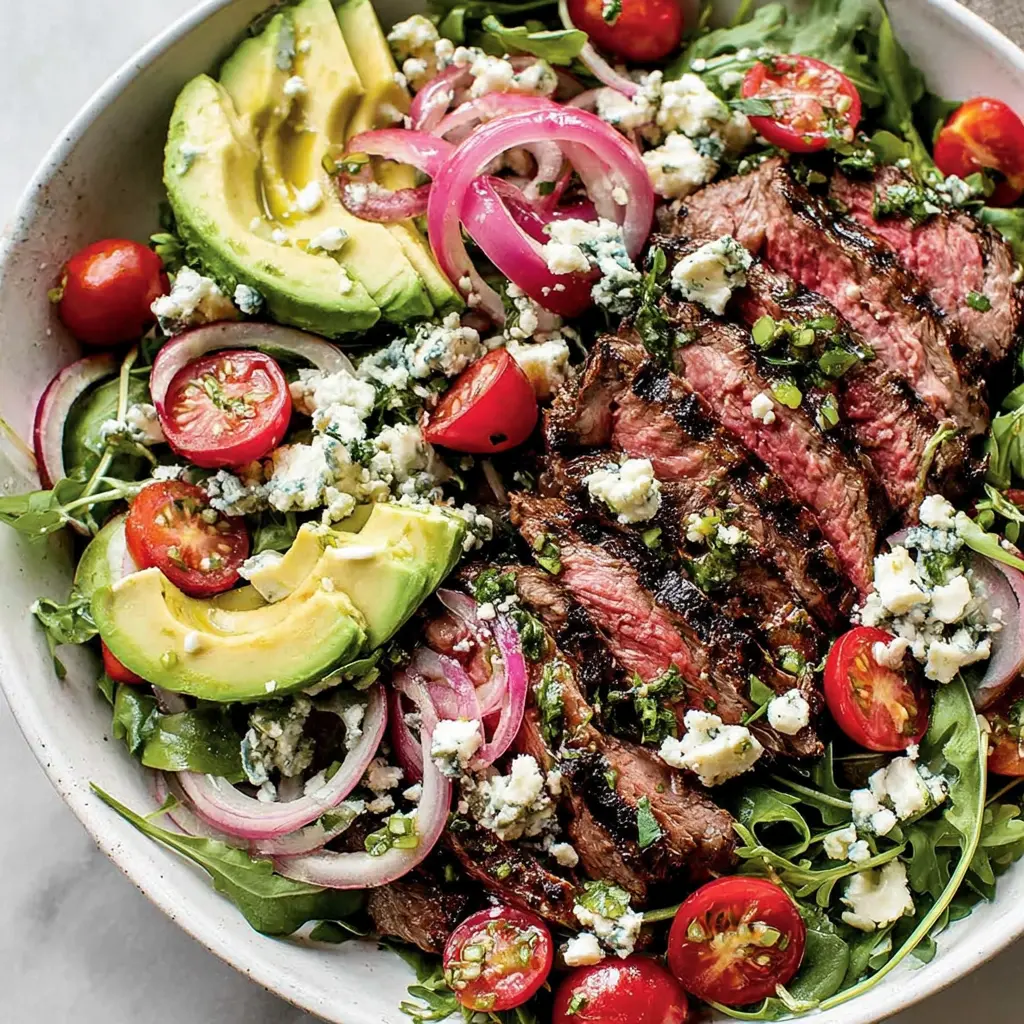
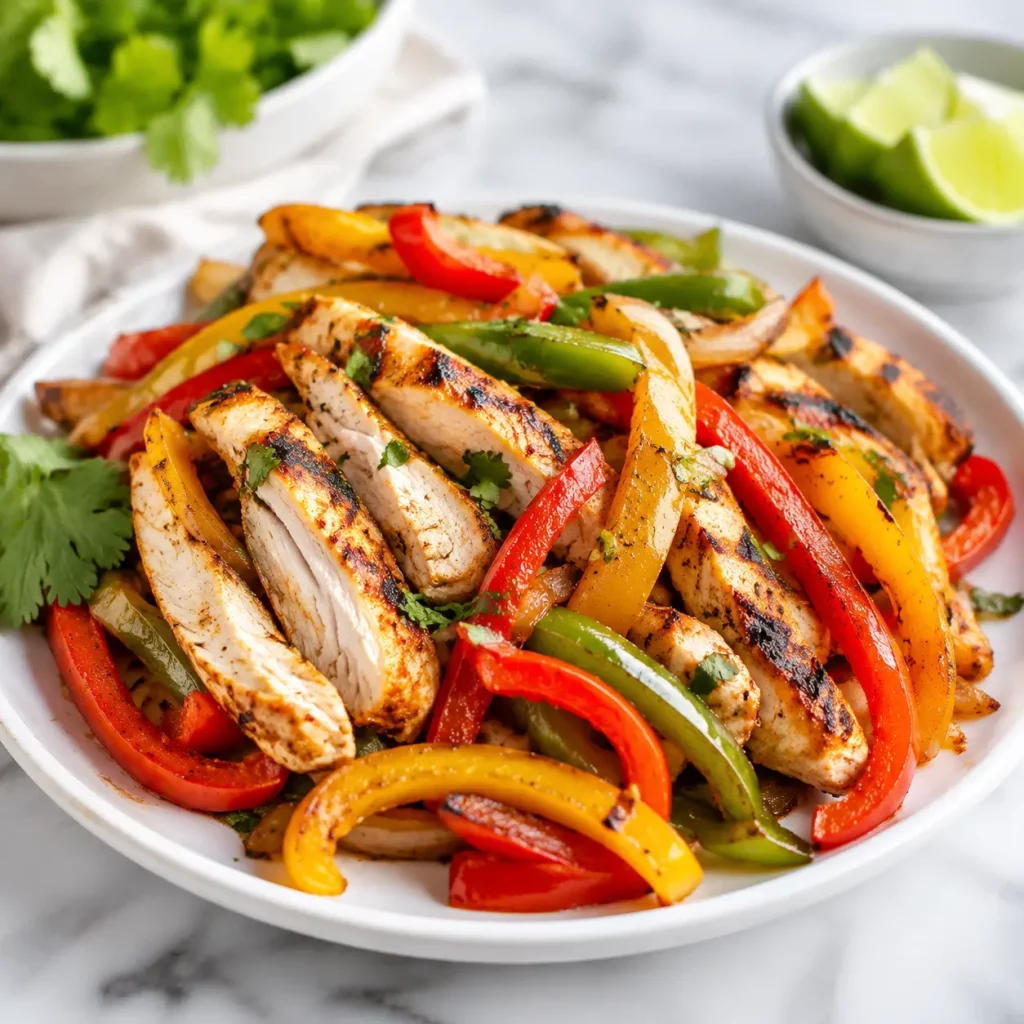
- Rice Bowls: Top your rice with grilled chicken, roasted vegetables, avocado, and a drizzle of sauce. It’s a complete meal in a bowl.
- Rice Pudding: Use leftover short-grain rice to make a creamy, comforting rice pudding with milk, sugar, and cinnamon.
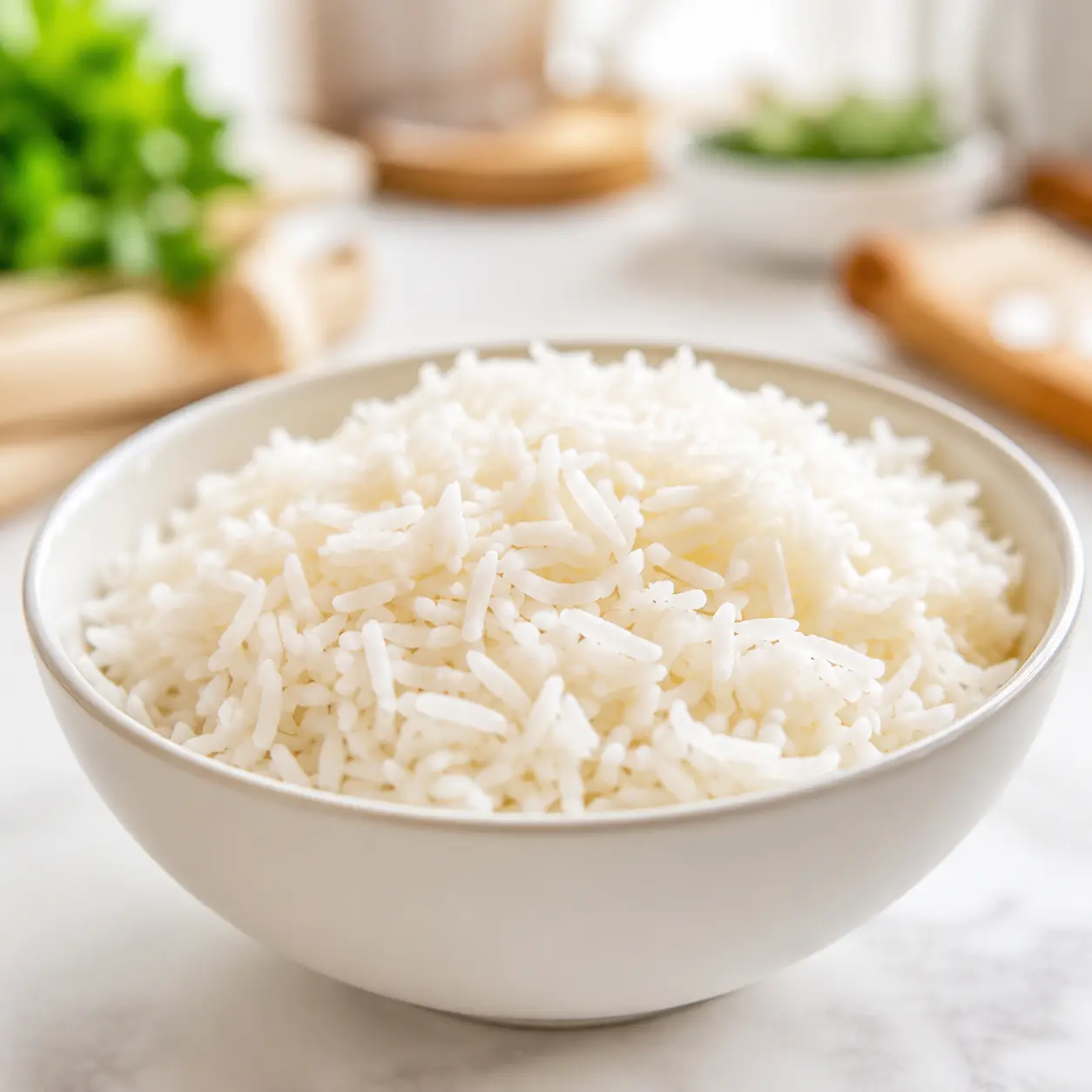
The key is to start with perfectly cooked rice. Once you have that, everything else is easy. And now you know exactly how to cook rice perfectly every time. No more sticky, burnt, or crunchy rice. Just fluffy, beautiful grains that make every meal better.
Now go make the best rice of your life. I’m serious. Go do it. You’ve got this.
Frequently Asked Questions
Source: Health & Nutrition Research