

Why You’ll Love This Easy Blue Cheese Dressing
Stop buying that bottle. I mean it. This easy blue cheese dressing takes five minutes, uses stuff you probably already have in your fridge, and tastes like it came straight from a steakhouse kitchen.
It’s August in Los Angeles, and the last thing I want to do is turn on the oven. This no-cook dressing keeps the kitchen cool and makes every salad, wing, and burger feel like a summer event. You whisk, you fold, you chill, and somehow the whole table thinks you’ve been slaving away.
Here’s why this one wins: it’s thick and creamy, with a sharp little bite and gorgeous, craggy crumbles in every single spoonful. It’s assertive but not overwhelming, so even the folks who claim they hate blue cheese end up going back for more.
I’ve been making this homemade blue cheese dressing all season long. Cookouts, game nights, lazy weeknights where dinner is just wings and cold beer. It’s become my quiet little flex. You know the one, where you set a bowl on the table and someone immediately asks where you bought it.
What Is Blue Cheese Dressing?
At its core, blue cheese dressing is a creamy, tangy salad dressing built on mayonnaise, sour cream, and a little buttermilk, brightened with lemon juice and finished with crumbled blue cheese. Those are the essentials, and that’s really all you need.
The signature move is the texture. You get a smooth, rich, almost luxurious base with visible pockets of funky, intense blue cheese running through it. That contrast is what makes it so addictive. It’s why a wedge salad, which is basically just lettuce and dressing, can taste like the best thing on the menu.
This is also where store-bought vs homemade really shows itself. Bottled versions lean on stabilizers, gums, and artificial flavors to fake what real ingredients do naturally. Homemade tastes alive. It’s sharp, fresh, and smells like actual blue cheese, not like a chemistry experiment.
So when someone asks what bleu cheese dressing is made of, the answer is simple: a creamy, tangy base plus real blue cheese crumbles. That’s the whole secret, and now you’re in on it.
Key Ingredients for the Best Blue Cheese Dressing
Every ingredient in this easy blue cheese dressing has a job. There’s no fluff, no weird add-ins, and nothing you’ll hunt for at three different stores. Here’s the lineup:
- Mayonnaise (½ cup): The backbone. It gives the dressing that thick, luxurious body. Use a rich, full-fat version for the best mouthfeel. This is not the place for the light stuff.
- Sour cream (¼ cup): Adds a cooling tang and extra creaminess. It’s what makes the texture feel steakhouse-expensive.
- Buttermilk (¼ cup): Thins everything to a pourable consistency and delivers that signature tang. No buttermilk? I’ll give you a buttermilk substitute in the variations below.
- Crumbled blue cheese (½ cup): The star of the show. Those blue cheese crumbles create the chunky texture everyone fights over.
- Lemon juice (1 teaspoon): A tiny squeeze of acid that brightens the whole thing and balances all that richness.
- Garlic powder (¼ teaspoon): A subtle savory undertone. Not shouty, just present enough to add depth.
- Salt and freshly ground black pepper: To taste. And please, use fresh pepper. It genuinely makes a difference.
That’s seven ingredients. All of them you can grab at Ralphs, Vons, or Trader Joe’s in one quick lap around the store. If you’re buying blue cheese pre-crumbled, that’s fine, but a block from the Costco cheese section crumbles up in two minutes and tastes even better.

Best Blue Cheese to Use
This is where the magic happens. The best blue cheese dressing starts with a blue cheese you actually love eating on its own. Here are your three main options:
- Roquefort: Bold, sharp, and intense with a real bite. If you want maximum funk, this is the pick.
- Gorgonzola: Milder and creamier, with a softer, more approachable flavor. Great for guests who think they don’t like blue cheese.
- Danish Blue: The balanced middle child. Salty, tangy, and crumbly, it blends beautifully into the dressing.
I grab Gorgonzola when I’m serving a crowd and Roquefort on nights when I’m cooking just for me. Both make a fantastic creamy blue cheese dressing, just with different personalities.
How to Make Easy Blue Cheese Dressing
The thing that surprises people is the lack of equipment. No stove, no blender, no food processor. You’re literally whisking by hand in a mixing bowl, which means one dish to wash and zero kitchen heat. On a hot August day, that’s a win on its own.
From start to finish, we’re talking about five minutes of active work. The rest is just letting it chill so the flavors can get friendly with each other.
Stage 1: Whisk the base. In a medium bowl, whisk the mayonnaise, sour cream, and buttermilk together until completely smooth and creamy. You’re looking for a texture that’s thick like sour cream but loose enough to drizzle. Too thick? Add a splash more buttermilk. Too thin? Stir in another spoonful of mayo. You’re in control here.

Stage 2: Season it. Mix in the lemon juice, garlic powder, salt, and pepper, then taste. This is the step people skip, and it’s a mistake. The base should taste bright and tangy before the cheese even goes in. If it tastes flat, it probably needs another pinch of salt or one more drop of lemon.

Stage 3: Fold in the cheese. Add the crumbled blue cheese and gently fold it through. Here’s the big decision: leave most of the crumbles intact for a proper chunky blue cheese dressing, or mash a few against the side of the bowl for a creamier, more uniform result. I go for a little of both. Resist the urge to stir aggressively. You want visible blue cheese crumbles in every bite, not a homogenous gray paste.

Stage 4: Chill and serve. Cover the bowl and refrigerate for at least 30 minutes. I know you want to dive in right now, I get it. But trust the process. That rest lets the flavors blend and thickens the dressing slightly. It’s the difference between good and “wait, where is this from?”

Alcohol-Free Variation
This recipe can easily be made without alcohol. Here are the substitutions I recommend:
- Rum → pineapple juice + 1/2 tsp almond extract. For tropical sweetness
These swaps maintain the depth of flavor while keeping the dish completely alcohol-free. Perfect for family-friendly meals or personal preference.
Easy Variations to Try
One of the best things about this easy blue cheese dressing is how flexible it is. Here are some simple swaps and optional add-ins, depending on what you’re feeding:
- Lighter version: Swap the sour cream for whole milk Greek yogurt and cut the mayonnaise in half. Still creamy, just a little less heavy.
- Keto-friendly: Skip the buttermilk entirely and add an extra spoonful of sour cream. You’ll lose a touch of tang and gain a thicker, low-carb dressing.
- Milder flavor: Replace the buttermilk with whole milk. You get the same texture with less sharpness, which some people prefer.
- Extra zing: A tiny dash of Worcestershire sauce or a drop of hot sauce adds a savory kick. These are optional, so I’d try the base version first.
- Fresh garlic: If you’re out of garlic powder, one small clove of finely minced garlic works beautifully. Just let the dressing rest a little longer so it mellow.
And if you need a quick buttermilk substitute, here’s the trick: mix ¼ cup of milk with one teaspoon of lemon juice and let it sit for five minutes. Boom, instant buttermilk.
Pro Tips for the Best Blue Cheese Dressing
After probably a dozen batches this summer, I’ve formed some strong opinions. These tips will get you to the perfect easy blue cheese dressing every single time:
- Use full-fat mayonnaise. The light version turns watery and sad. Full-fat gives you that thick, luxurious steakhouse texture.
- Start with less buttermilk. You can always thin it out, but you can’t un-thin it. Add slowly and taste as you go.
- Don’t overmix after adding the cheese. Some chunks need to survive. That’s the signature look.
- Season at the end. Blue cheese is salty, so taste before you add more salt. Fresh pepper, though, never hurts.
- Chill for at least 30 minutes. The flavor genuinely deepens as it sits. Patience is part of the recipe.
A few common mistakes worth dodging:
❌ Mistake: Using low-quality blue cheese.
✅ Fix: If you wouldn’t eat it straight from the package, don’t put it in your dressing. Quality is non-negotiable.
❌ Mistake: Pouring in all the buttermilk at once.
✅ Fix: Start with ¼ cup, mix, then add a splash at a time until it hits your ideal consistency.
❌ Mistake: Overmixing until every crumble disappears.
✅ Fix: Fold gently with a spatula. Chunky is the goal, not creamy perfection.
❌ Mistake: Skipping the final taste test.
✅ Fix: Give it a taste before chilling. If it needs salt, pepper, or another drop of lemon, fix it now, not later.
Ways to Use Blue Cheese Dressing
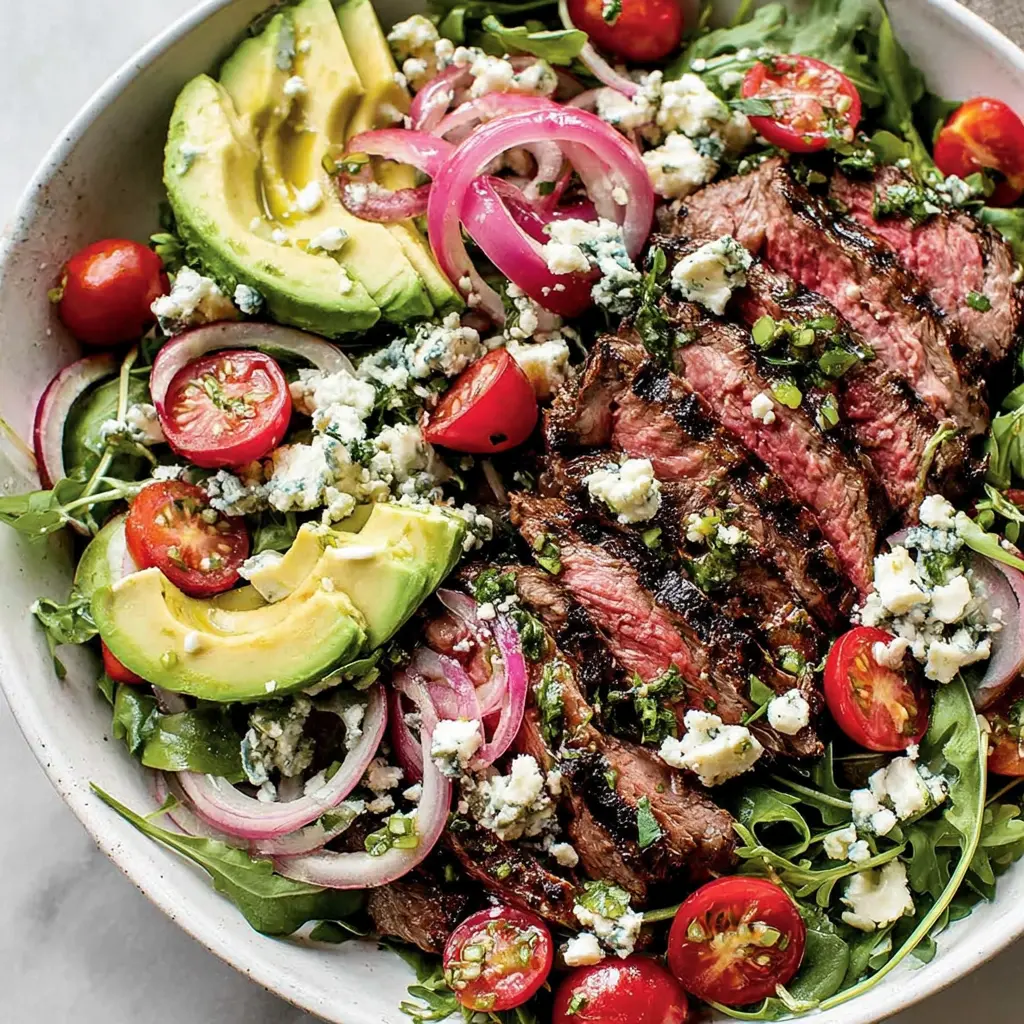
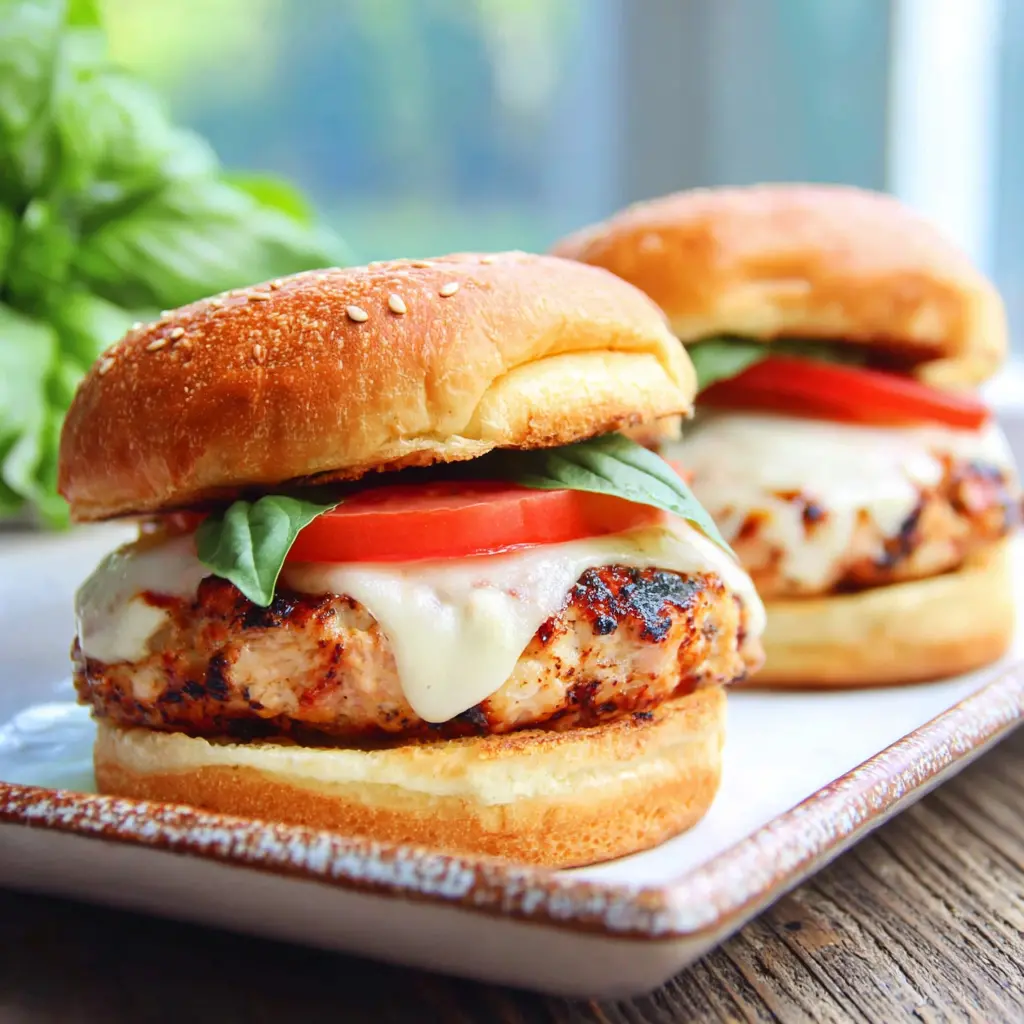
Honestly, I use this more as a sauce than a salad dressing. It’s that versatile. Here are my favorite ways to put it to work:
chunky and slather it over a roast beef sandwich with a handful of peppery arugula. That’s the kind of lunch that makes your coworkers jealous.
How to Store Blue Cheese Dressing
Here’s the part nobody tells you: homemade blue cheese dressing actually gets better after a day or two. The flavors meld, the garlic mellow, and the whole thing tastes more rounded. So make it ahead, and have a little patience with that bowl in the fridge.
Keep it in an airtight container. A glass jar with a tight lid works great, or a deli container if you’ve got one lying around. Stored this way, it stays fresh for five to seven days. I’ve pushed it to a full week without any trouble, but I wouldn’t stretch much beyond that.
One thing you’ll notice: it thickens as it sits. That’s normal, not a problem. Just stir in a splash of buttermilk, regular milk, or even a little water before serving to bring it back to that perfect, pourable texture.
Make-Ahead Tips
If you’re planning a gathering, make this two to three days in advance. That’s the sweet spot. The flavors have time to get acquainted, but the dressing still tastes fresh and bright. Just keep it sealed, give it a good stir before serving, and don’t add extra salt until you’ve tasted it after it chills. Cold dulls flavor, so you might need a tiny pinch more right before serving.
Can You Freeze Blue Cheese Dressing?
Yes, technically. And I’ll be honest with you: it’s not ideal. The mayonnaise and sour cream base can separate when frozen and thawed, leaving a slightly grainy texture. It’s fine if you’re planning to cook with it or use it as a baked dip, but for a crisp wedge salad, fresh is better.
If you’ve made a double batch and don’t want any to go to waste, freeze it in an airtight container for up to three months. Thaw it overnight in the fridge, whisk it vigorously, and add a splash of buttermilk to help bring it back together. Just don’t expect it to taste exactly like day one. It’ll still be good, but it won’t be the same.
Why This Recipe Works
Understanding why something works makes it easier to eyeball, fix, and adapt. So here’s the quick breakdown of what’s actually happening in that bowl:
Mayonnaise plus sour cream is a power couple. Mayonnaise on its own can be heavy and one-note. Sour cream cuts through that heaviness and adds a bright, cooling tang you don’t get from mayo alone. Together, they create that rich but lively base that makes steakhouse versions better than bottled ones.
Buttermilk does double duty. It thins the dressing to a drizzling consistency and delivers lactic acid, which is the scientific name for that sharp, tangy flavor. Regular milk will thin the dressing just as well, but it won’t bring the same kick. That’s the difference between a good dressing and one that makes people ask questions.
Lemon juice is a tiny but mighty brightener. Acid wakes everything up. A single teaspoon won’t make the dressing taste lemony, but it makes every other flavor stand up a little straighter.
Those craggy chunks are doing real work. When you leave the blue cheese crumbles intact, every bite delivers a burst of intense flavor against a smooth, creamy backdrop. That contrast is what makes the dressing so addictive. It’s also why you gotta fold, not stir.
Salt and pepper are the finishing touches. They make everything else taste more like itself. Just be careful with the salt, because blue cheese is naturally salty. Taste first, then decide.
Troubleshooting Common Blue Cheese Dressing Problems
I’ve had my share of kitchen accidents over the years, and I’ve figured out how to rescue just about everything. Here’s how to fix the problems that actually come up:
- Too thin: Whisk in an extra spoonful of mayonnaise or a handful of extra cheese crumbles. Both thicken the dressing and add richness. And if it’s still pouring like water, a little extra crumbled blue cheese never hurts.
- Too thick: Stir in buttermilk or whole milk, one teaspoon at a time, until it flows the way you want. A quick rule of thumb: if your spoon stands straight up in the bowl, it’s a dip. If it ribbons off the spoon, it’s a dressing.
- Separated or broken: This happens sometimes, especially after it’s been in the fridge. Whisk vigorously for about thirty seconds. If it’s still not coming together, add a teaspoon of lemon juice or a splash of water and whisk again. The acid helps re-emulsify everything.
- Bland or flat: This almost always means it needs salt, acid, or both. Add a tiny pinch of salt, one drop of lemon juice, and taste again. A little fresh pepper goes a long way too.
- Too funky or sharp: Stir in an extra spoonful of sour cream or mayonnaise to mellow it out. You can’t remove flavor, but you can absolutely dilute it.
Blue Cheese Dressing FAQ
How long does homemade blue cheese dressing last in the fridge?
About five to seven days in an airtight container. If you’re near the end of that window, use your nose. If it smells off or looks watery, toss it. Your taste buds will thank you.
Can you freeze blue cheese dressing?
You can, but the texture changes. Thaw it overnight in the fridge, whisk it well, and add a splash of milk or buttermilk to bring it back to life. It’s better used for cooking or dips after freezing, not as a delicate salad dressing.
What can I substitute for blue cheese?
This is a tricky one because blue cheese is the whole point of the recipe. Gorgonzola is the closest swap in terms of creaminess and mildness. Roquefort works if you want more bite. If you’re completely out, feta mixed with a splash of vinegar gets you in the neighborhood, though it won’t have the same funk.
Is blue cheese dressing gluten-free?
Yes, it can be. The ingredients in this recipe are naturally gluten-free, but if you’re sensitive, check the labels on your specific brands. Some prepared blue cheeses and mayonnaises can have additives you wouldn’t expect.
Can I make this without buttermilk?
Absolutely. Use whole milk, half-and-half, or my favorite quick substitute: mix one teaspoon of lemon juice into a quarter cup of milk and let it sit for five minutes. It thickens slightly and picks up that tangy character. It’s not identical, but it works.
Why does my dressing thicken in the fridge?
Because the fats in mayonnaise and sour cream firm up when they’re cold. That’s completely normal, and honestly, it’s a good sign that you used real ingredients. Just thin it with a splash of milk or buttermilk before serving, and it’ll be back to normal.
What’s the best blue cheese for homemade dressing?
The one you actually enjoy eating on its own. Roquefort brings a bold, sharp bite. Gorgonzola is milder and creamier. Danish Blue sits right in the middle. Pre-crumbled crumbles are convenient, but crumbling a wedge yourself gives you bigger, better chunks that make the dressing look like a professional did it.

Expert Notes & Data Insights
I’ve tested this easy blue cheese dressing more times than I can count, and I’ve studied plenty of other versions along the way. So here are the notes that are actually worth passing along.
The ratio that always works. A two-to-one ratio of mayonnaise to sour cream gives you that steakhouse richness without weighing things down. From there, a quarter cup of buttermilk creates a texture that works for both dipping and drizzling. That’s the sweet spot, and every great version I’ve come across lands somewhere around there.
Quality is not a cliché. The single biggest variable in the final result is the blue cheese itself. If you start with a cheese you love, you barely have to do anything else right. If you start with a bland, waxy wedge, no amount of seasoning will fix it. Trust me on this one.
About shelf life. You’ll see storage times ranging from four to ten days depending on who you ask. My honest take, based on how I actually cook: five to seven days in a sealed container is the safe window. If you’re making it ahead for a party, two to three days in the fridge is when the flavor peaks.
The one thing not to do. Don’t overmix. Visual texture is part of the experience. Keep those craggy blue cheese chunks visible, and you’ll have a dressing that looks as good as it tastes. It’s a small choice that separates a great dressing from a forgettable one.
Now go make a batch, chill it, and let it do its thing. Whether it’s a wedge salad, a pile of wings, or a burger that needs a little drama, this easy blue cheese dressing will quietly carry the whole meal. And when someone asks where you bought it, just smile and say, “I didn’t.”






3 Responses
I used Gorgonzola instead of Roquefort because I wanted something a bit milder, and it was fantastic. The lemon juice really balances the richness. Way better than anything from a bottle – thanks for the recipe!
Made this last weekend for a steak dinner and it was a huge hit! The texture was perfect with those little crumbles of blue cheese. One question though – how long does it keep in the fridge? I want to make it ahead for a party next week.
Hi Sarah, so happy you loved it! It keeps well for about 5-7 days in an airtight container – just give it a quick stir before serving. Enjoy your party!