

Meyer Lemon Raspberry Scones with Cottage Cheese
Ingredients
Method
- Preheat the oven to 400 F. Line a large baking sheet with parchment paper and place the butter in the freezer for 10 minutes to chill thoroughly.
- In a large bowl, whisk together the flour, salt, baking powder, baking soda, and superfine sugar.
- In a separate bowl, whisk the egg. If you want a silky texture, pulse the cottage cheese in a blender first, then add it to the egg along with the lemon juice and zest, stirring until smooth.
- Pour the wet mixture into the dry ingredients and fold gently until just combined. Do not overmix.
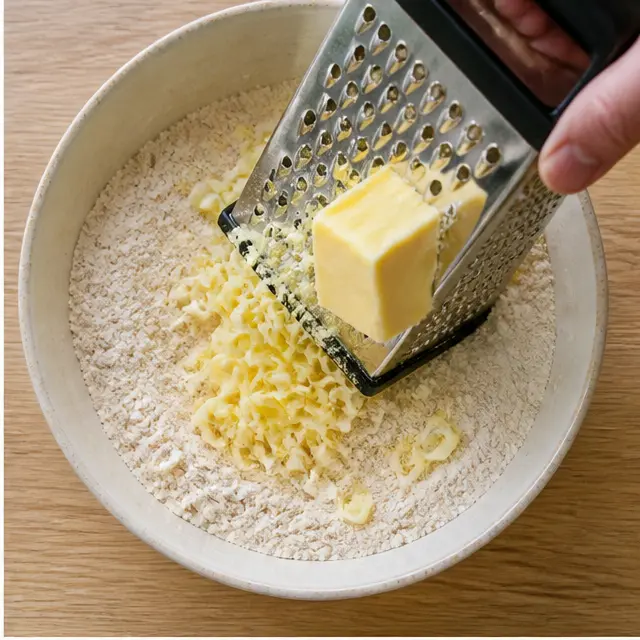
- Remove the butter from the freezer and grate it directly into the dough using the large holes of a box grater. Knead lightly just until the butter is evenly distributed.
- Fold in the raspberries with a light hand so they stay intact. For very soft berries, freeze them for 15 to 20 minutes beforehand. If the dough feels dry, add a small squeeze of lemon juice.
- Turn the dough onto a lightly floured surface and pat it into an 8-inch circle. Cut into 8 wedges and place them on the prepared baking sheet.
- Whisk the egg with the water in a small bowl and brush the mixture over the tops of the scones.
- Bake for 18 to 20 minutes, until the scones are lightly golden. Let them cool on the baking sheet.
- Stir the lemon juice and confectioners' sugar together until smooth, then drizzle the glaze over the cooled scones before serving.
Nutrition
Notes
Tried this recipe?
Let us know how it was!Why These Lemon Raspberry Scones Win
I have a confession. I spent way too much money on $5 bakery scones before I figured out how forgiving they actually are to make at home. And this lemon raspberry scone recipe? It’s the one that finally got me to stop buying them downtown.
It’s August, which in Los Angeles means two things: the farmer’s market stands are practically overflowing with raspberries, and nobody wants to stand over a hot stove. These scones solve both problems. They bake in about 20 minutes, fill the kitchen with the sharp perfume of lemon zest, and taste like something you’d pay a small fortune for at a café.
Here’s the part that hooks people, though. The secret isn’t heavy cream or buttermilk. It’s cottage cheese. I know, I know. Bear with me.
The cottage cheese melts into the dough as it bakes, leaving behind an impossibly tender crumb that’s also somehow a little higher in protein. Combined with Meyer lemon (zest and juice) and jammy pockets of fresh raspberries, you get a bright, sunny scone that feels fancy but comes together in one bowl.
- 37 minutes from craving to cooling rack
- No pastry cutter required, you grate frozen butter instead
- Freezer friendly, so you can bake fresh scones any morning
- Better than the bakery, honestly
Ingredients You’ll Need
Let’s talk through what goes into these lemon raspberry scones. Nothing weird, I promise. You probably have most of this already.

The dry base is all-purpose flour, baking powder, baking soda, superfine sugar, and a little fine salt. Superfine sugar dissolves more evenly into the dough, which means no gritty spots. If you don’t have it, regular granulated sugar pulsed a few times in a food processor works fine.
Now the stars of the show. You need small-curd cottage cheese, a couple of fresh Meyer lemons, and about two-thirds of a cup of fresh raspberries. If you can only find regular lemons, use those. Meyer lemons are sweeter and less acidic, but regular lemons make a gorgeous scone too. You’ll just want to ease up slightly on the sugar in the glaze.
The butter situation deserves a paragraph of its own. You’ll use half a cup of cold unsalted butter, and here’s where we skip the pastry cutter entirely. Pop the butter in the freezer for 10 minutes, then grate it directly into the dough using the large holes of a box grater. All those little butter shards create the flaky layers you’re after. It’s genius, and it makes cleanup way easier.
For the tops, you’ll whisk an egg with a teaspoon of water for the egg wash. And the lemon glaze is just fresh Meyer lemon juice and confectioners’ sugar. That’s it. Bright, tangy, and it sets up into that crackly bakery-style coating.
How to Make Lemon Raspberry Scones
This is a simple recipe, but there are four distinct stages worth understanding. Get these right, and you’ll have people asking for the recipe every single time.
Stage 1: Mix the Dry and Wet Bases
Whisk the flour, salt, baking powder, baking soda, and superfine sugar in a large bowl. In a separate bowl, whisk the egg, then stir in the cottage cheese, lemon juice, and lemon zest. If you want a silkier texture, blend the cottage cheese for a few seconds first. I usually skip this and love the little curds that dot the crumb, but both ways work.

Pour the wet mixture into the dry ingredients and fold gently until just combined. Do not overmix. I mean it. Overmixing develops gluten, and gluten is what turns tender scones into hockey pucks. Stop while it’s still a little shaggy.
Stage 2: Grate the Frozen Butter In
Here’s the moment that makes the flaky scone texture happen. Pull the butter from the freezer, grab your box grater, and grate it directly over the dough. The butter should be cold enough that it grates into long, thin curls instead of smearing. Knead lightly, just until the butter is distributed throughout. You want visible flecks of butter in there. Those flecks steam in the oven, creating all those little airy pockets.
If the dough feels sticky and crumbly at the same time, that’s normal. Scone dough is like that. Trust it.
Stage 3: Fold in the Raspberries and Shape
Fold in the fresh raspberries with a very light hand. A few will break and streak the dough with jammy purple, which is honestly part of the charm. If your berries are super soft, freeze them for 15 to 20 minutes first. That little chill keeps them intact while you’re folding.

Turn the dough onto a lightly floured surface and pat it into an 8-inch circle. No rolling pin, no fuss. You don’t want to overwork it. Cut the circle into 8 wedges, transfer them to a parchment-lined baking sheet, and brush the tops with that egg wash. Be gentle with the brush so you don’t deflate the dough.
Stage 4: Bake, Cool, and Glaze
Bake at 400°F for 18 to 20 minutes. You’re looking for scones that are lightly golden on top with slightly craggy, dry-looking surfaces. Let them cool on the baking sheet for at least 10 minutes before you even think about the glaze. Warm scones will drink up the glaze and turn it into a sad, translucent mess.

Once they’re cool, stir together the lemon juice and confectioners’ sugar until smooth, then drizzle it over the tops. The glaze sets into a lovely citrus sheen that contrasts beautifully with the jammy raspberry pockets. Warm from the oven, that first bite is pure magic.
Tips for the Best Flaky Scones
After a few batches, you’ll develop a feel for scone dough. Here are the lessons I learned the hard way, so you don’t have to.
Scone Troubleshooting
❌ Mistake: Overmixing the scone dough until it’s perfectly smooth.
✅ Solution: Stop folding while the dough is still shaggy and a little rough. That’s the texture that bakes up tender.
❌ Mistake: Using room-temperature butter and wondering why your scones spread into flat puddles.
✅ Solution: Keep everything cold. Freeze the butter for 10 minutes before grating, and work quickly on warm mornings.
❌ Mistake: Tossing frozen raspberries straight into the dough and ending up with a purple mess.
✅ Solution: Use fresh berries if you can, freeze them briefly if they’re soft, and fold them in as the absolute last step.
❌ Mistake: Skipping the egg wash to save a step.
✅ Solution: The egg wash gives those scones their golden, bakery-style glow. It’s worth the 20 seconds.
If your scones come out a little dry, the culprit is usually too much flour on your work surface or overbaking. Pull them at the earliest sign of golden edges. Ovens vary, so start checking around minute 17.
One more thing. On a hot summer day, your kitchen might be working against you. If the dough starts feeling greasy, slide the shaped wedges into the fridge for 15 minutes before baking. Cold scone dough bakes taller and flakier, period.
Storage & Freezing
These scones are honestly best the day they’re baked, but they store surprisingly well. Keep leftover scones in an airtight container at room temperature for up to 2 days. If you’ve already glazed them, separate the layers with parchment so the tops don’t stick together.
Here’s where lemon raspberry scones earn their keep in a busy household: they’re incredibly freezer friendly. You have two options.
- Freeze baked scones: Cool completely, then store in a sealed container or freezer bag for up to 2 months. Reheat in the microwave for about 30 seconds, or in a 300°F oven for 5 to 7 minutes.
- Freeze unbaked scones: Cut the dough into wedges, freeze them on a parchment-lined sheet pan until solid, then transfer to a bag. Bake from frozen at 400°F, adding 2 to 3 minutes to the bake time. No thawing needed.
This make-ahead strategy is a lifesaver for weekend brunch guests or busy school mornings. You can have fresh-baked scones on the table with basically zero effort. Just pop them in the oven before you pour the coffee.
Variations & Add-Ins
The base scone dough here is forgiving enough to riff on once you’ve mastered it. These are all optional swaps, but they’re fun to play with.
- Regular lemons instead of Meyer: Totally fine. Use slightly less juice in the glaze, since regular lemons are more tart.
- Blueberries or blackberries instead of raspberries: Both work beautifully. Blueberries tend to bleed less, while blackberries give the same jammy texture.
- White chocolate chunks: A sweet, creamy contrast to the tart lemon. Fold in about a third of a cup with the berries.
- Skip the glaze: Brush the warm scones with a touch of honey instead, or serve them with a spoonful of crème fraîche on the side.
Whatever you do, keep the butter and cottage cheese very cold. That’s the rule that holds all these scone variations together.

What to Serve With These Scones
Honestly, these lemon raspberry scones barely need anything. That lemon glaze and those jammy berry pockets do all the heavy lifting. But if you’re building out a proper brunch spread, here are my favorite pairings.
Serve them warm with extra lemon curd and a dollop of whipped cream. The bright citrus curd against the tender crumb is unreal. Or keep it simple with a drizzle of honey and a spoonful of crème fraîche on the side.
For drinks, these scones were made for afternoon tea, but in the summer heat I love them with iced coffee or cold brew. The tart lemon and sweet raspberries are refreshing in a way that feels right for August, unlike dense chocolate or pumpkin recipes. That’s what makes this the perfect summer baking project. You’re only near the hot oven for 20 minutes, and the payoff is a whole tray of sunshine.
If you make this lemon raspberry scone recipe, I’d love to hear how they turn out. Come find me on Pinterest and tell me all about it. I’m always pinning new brunch ideas and seasonal baking inspiration there.
Frequently Asked Questions
When you pull these from the oven and hear that first crackle of the lemon glaze setting, you’ll know exactly why I called this the one. Bright, tender, full of jammy raspberry pockets, and somehow easier than a trip to the bakery. That’s the magic of a truly great lemon raspberry scone recipe.
Source: Learn More About This Dish