
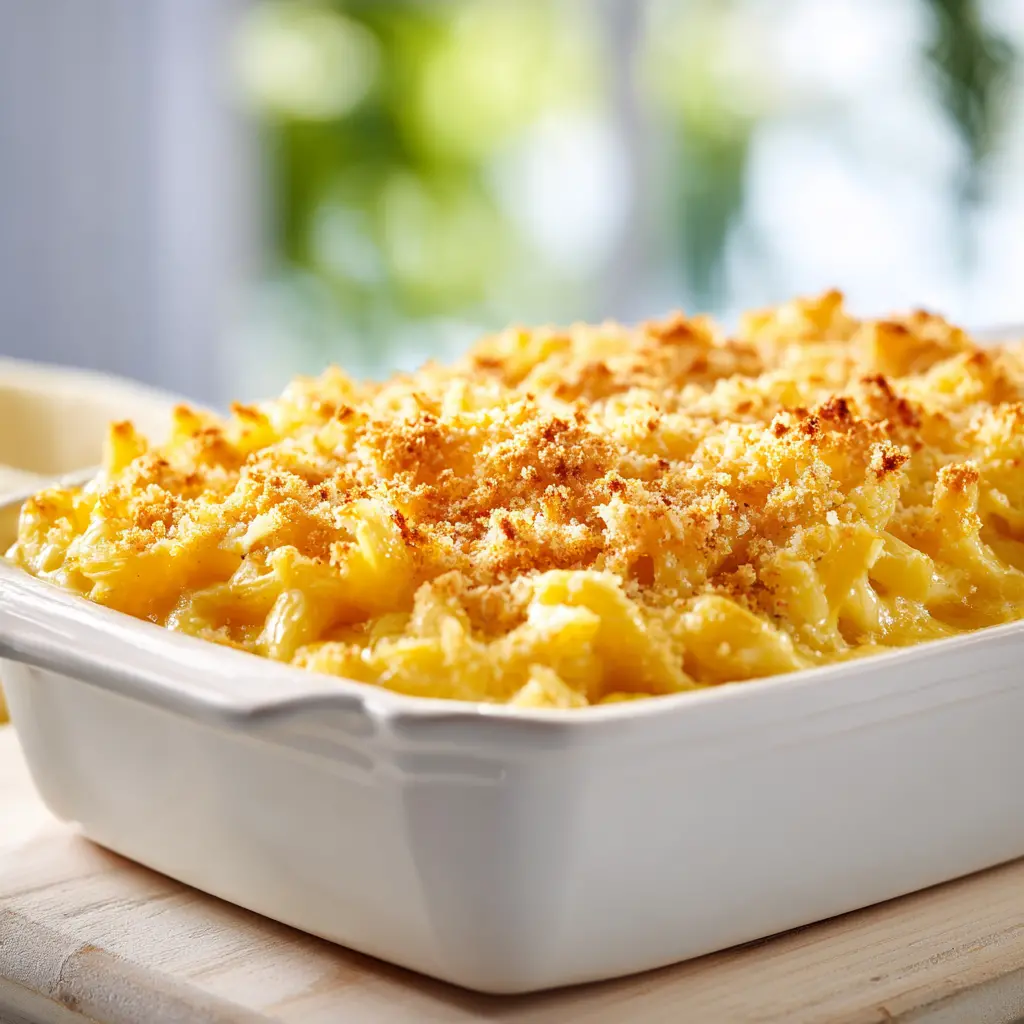
Why This Martha Stewart Mac and Cheese Works
Remember that time you tried to make a fancy mac and cheese for a dinner party and it turned into a greasy, separated mess? Yeah, we’ve all been there. It’s heartbreaking, honestly. You want that creamy, comforting hug in a bowl, but instead you get a puddle of oil with some sad pasta floating in it.
That’s exactly why this Martha Stewart mac and cheese recipe is my absolute go-to. It’s the one that works, every single time. Martha’s version isn’t just another recipe; it’s a masterclass in texture and flavor. The combination of sharp white cheddar and nutty Gruyère creates a depth that boxed stuff could never dream of. And that golden, buttery breadcrumb crust? Absolute perfection.
I first made this for a potluck years ago, and I was so nervous. I thought, “What if I mess up Martha Stewart’s recipe?” But I followed it exactly, and let me tell you, the dish was scraped clean in twenty minutes. People were asking for the recipe before I even sat down. It’s that good. It’s a no-fail mac and cheese that delivers on its promise of creamy, cheesy comfort every time.
Ingredients You’ll Need
The magic of this Martha Stewart baked mac and cheese comes down to a few key components. You don’t need a million ingredients, just the right ones. Let’s break down what makes this ultimate mac and cheese recipe so special.
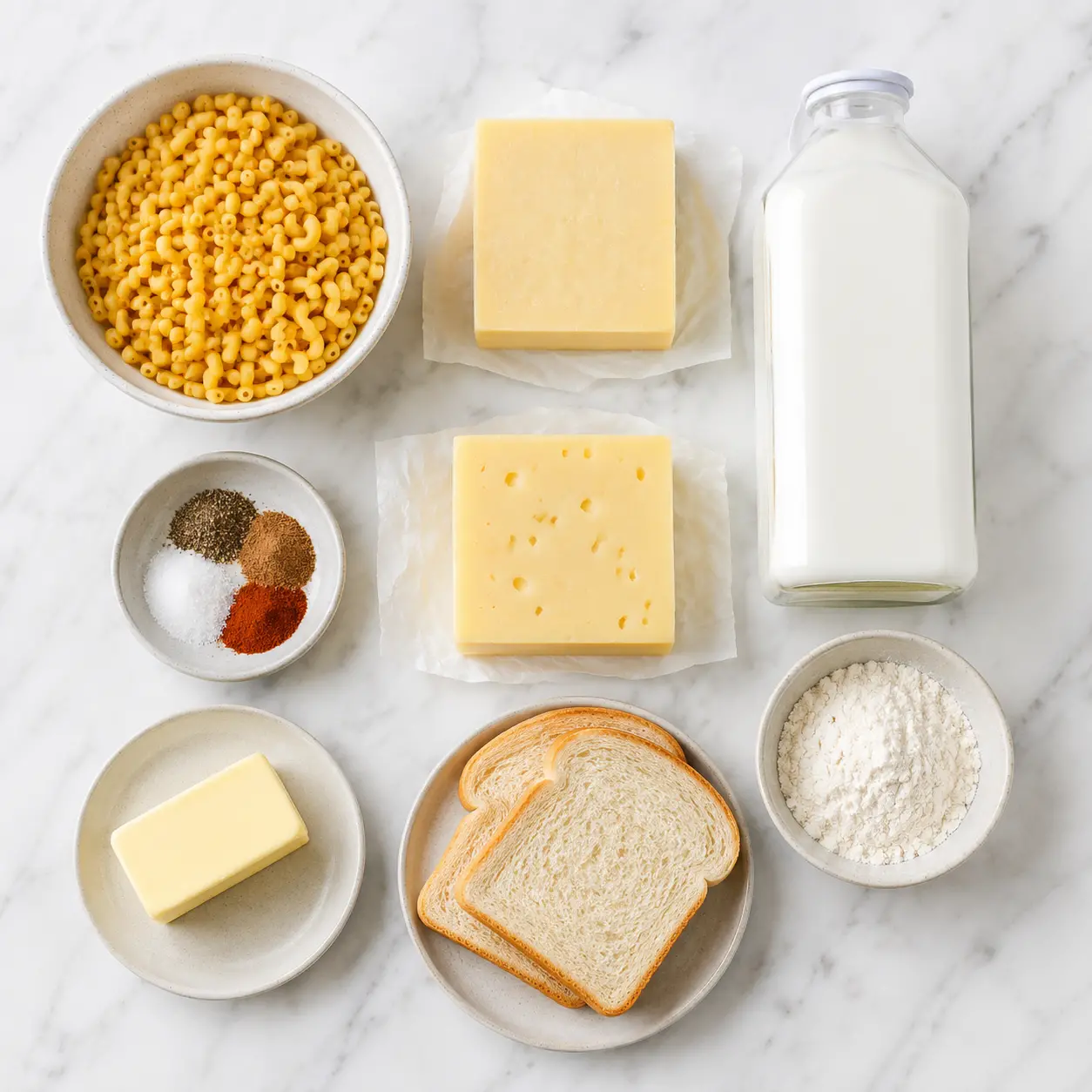
First, the cheese. You’ll need a whopping 4.5 cups of grated sharp white cheddar and 2 cups of grated Gruyère. Don’t skimp on the quality here. Pre-shredded cheese has anti-caking agents that mess with the sauce’s smoothness. Grate your own from a block. It makes a world of difference. The sharp cheddar gives that classic tang, while the Gruyère adds a creamy, slightly sweet, and nutty note. It’s the dream team of best cheeses for mac and cheese.
Then there’s the base for the mac and cheese bechamel sauce. You’ll need whole milk (5.5 cups!), unsalted butter, and all-purpose flour. The milk gets warmed up first, which is a crucial step I’ll explain later. And don’t forget the seasonings: salt, freshly grated nutmeg (trust me on this one), black pepper, and a pinch of cayenne. The cayenne doesn’t make it spicy; it just wakes up all the other flavors.
For the topping, you’ll use good white bread. I love using a crusty sourdough from the farmers’ market for a California twist. You tear it into little pieces and toss it with melted butter. It bakes up into the most incredible, crunchy crust.
And of course, one pound of elbow macaroni. Simple, classic, perfect for holding all that sauce.
Step-by-Step Instructions
Okay, let’s get cooking. I’ll walk you through the process so you can nail this Martha Stewart mac and cheese recipe without any hiccups. We’ll break it down into four main stages.
Stage 1: Make the Buttery Breadcrumb Topping
Start by preheating your oven to 375°F and buttering a 3-quart casserole dish. In a small saucepan, melt 2 tablespoons of butter. Toss your torn bread pieces in the melted butter until they’re all nicely coated. Set them aside for now. This is the easiest part, but it’s so important for that final crunchy texture.
Stage 2: Build the Creamy Cheese Sauce
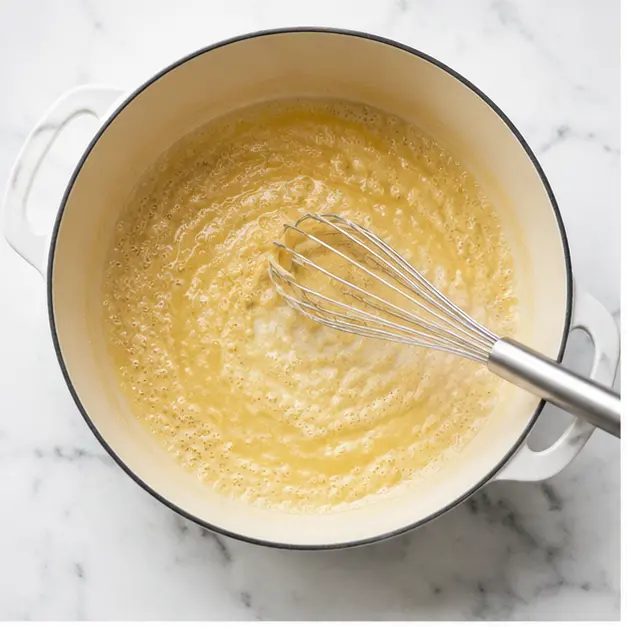
This is where the real magic happens. In a medium saucepan, warm your 5.5 cups of whole milk over medium heat until it’s hot but not boiling. You want it steaming, with little bubbles around the edges. Meanwhile, in a large, high-sided skillet or Dutch oven, melt the remaining 6 tablespoons of butter. Once it’s bubbling, whisk in the ½ cup of flour and cook for one minute, whisking constantly. You’ll feel it transform into a thick, pasty roux.
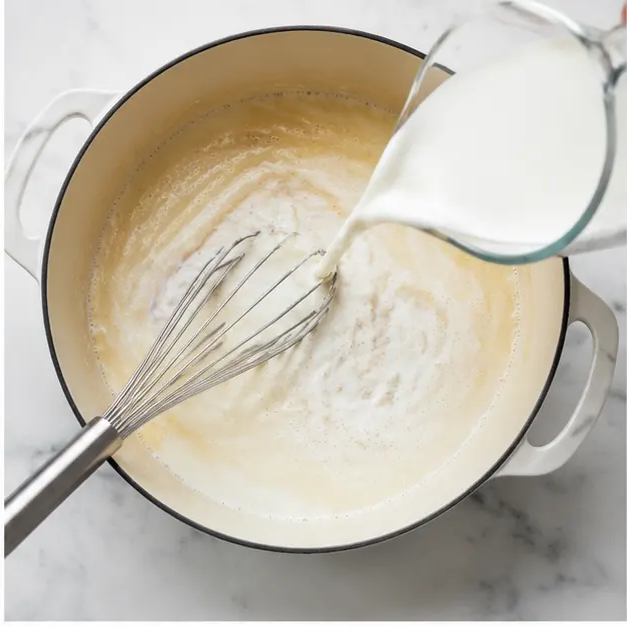
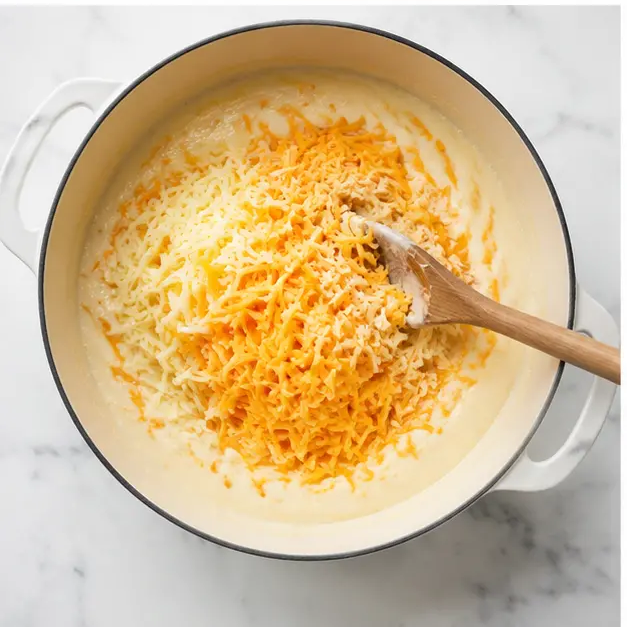
Now, here’s the key: slowly pour that hot milk into the roux while whisking continuously. Don’t dump it all at once. A steady stream is your friend. Keep whisking until the sauce thickens and bubbles appear. It should be smooth and glossy, like a beautiful, thick gravy. Remove it from the heat and stir in your salt, nutmeg, pepper, cayenne, and most of your cheese. Save about 1.5 cups of cheddar and ½ cup of Gruyère for the topping. Stir until everything is melted and smooth. Taste it. I dare you not to eat it with a spoon.
Stage 3: Cook and Assemble the Pasta
Bring a large pot of salted water to a boil and cook your elbow macaroni. Here’s the pro tip: cook it for 2 to 3 minutes less than the package directions. You want it just tender on the outside but still firm in the center. It will finish cooking in the oven, and this prevents it from turning into mushy, sad pasta. Drain it, rinse it briefly under cold water to stop the cooking, and drain it well.
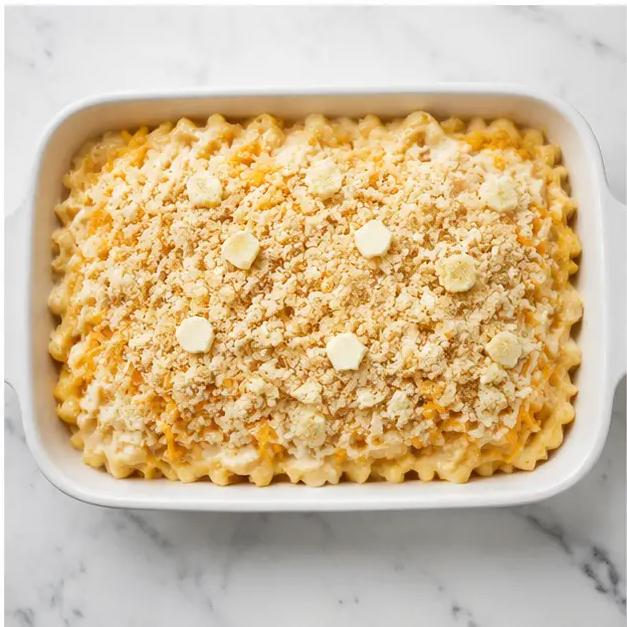
Stir the drained macaroni into your glorious cheese sauce until every piece is coated. Pour the whole thing into your prepared casserole dish. Sprinkle the remaining cheddar and Gruyère on top, then scatter the buttered breadcrumbs evenly over everything.
Stage 4: Bake to Golden Perfection
Pop the dish into your preheated oven and bake for about 30 minutes. You’re looking for the top to be a deep golden brown and the sauce to be bubbly around the edges. Let it cool on a wire rack for 5 minutes before serving. I know it’s hard to wait, but it needs that time to set up a bit so it doesn’t slide off the spoon.
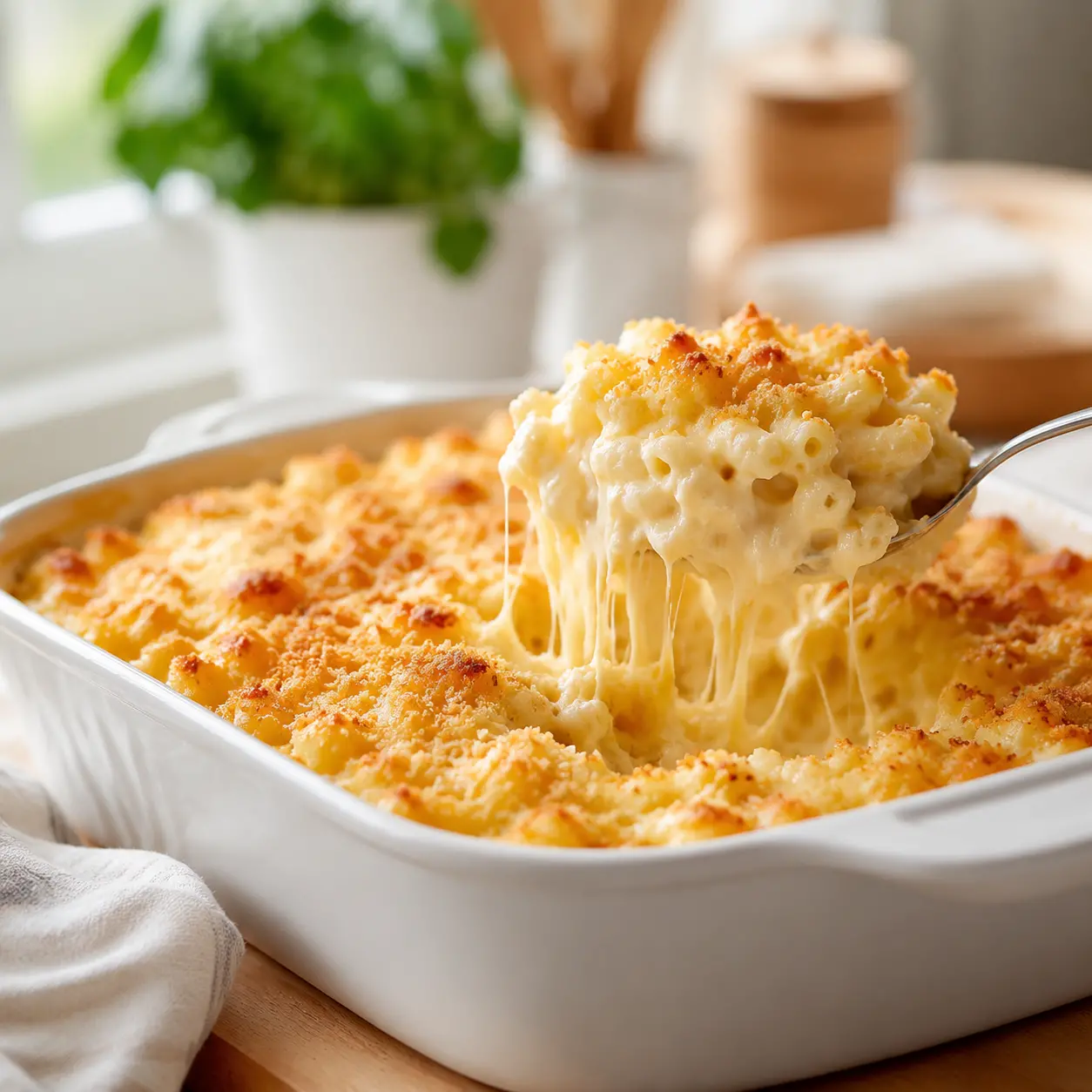
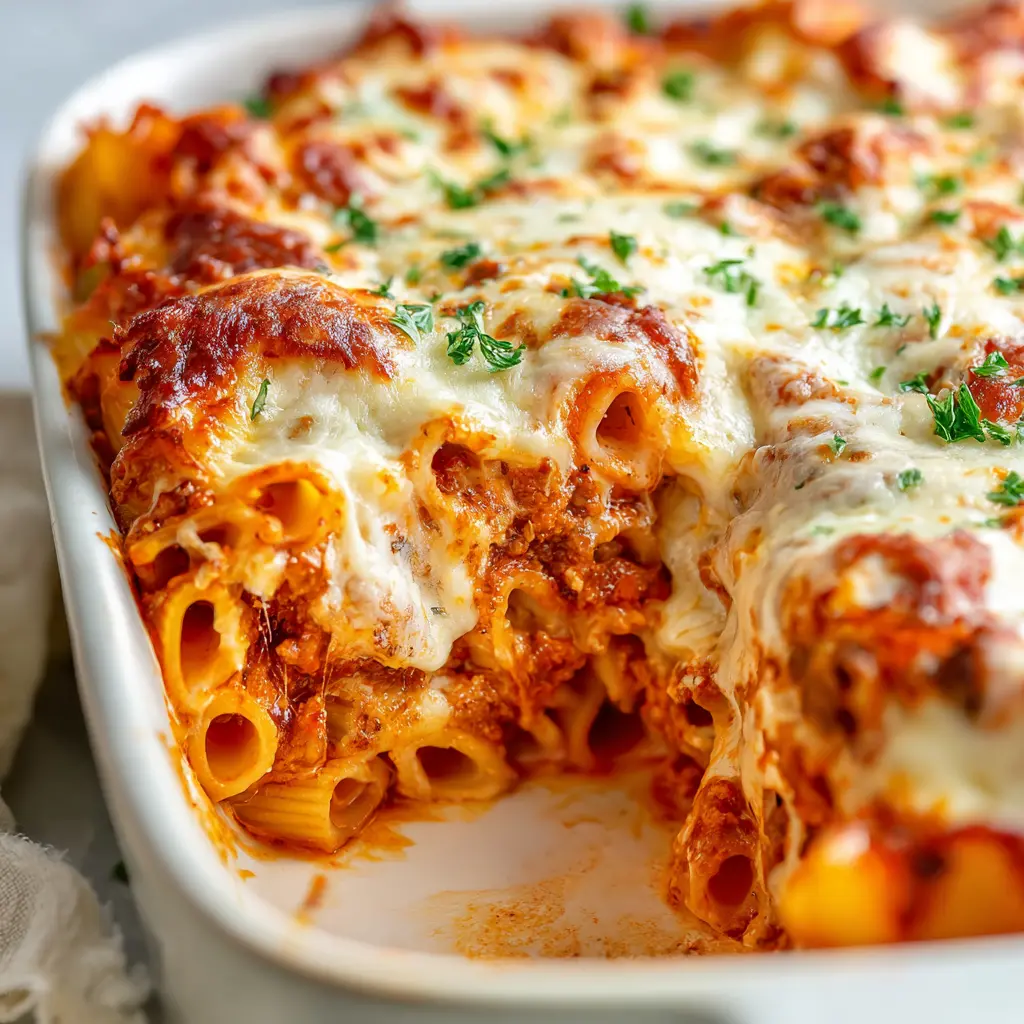
The first time you pull it out of the oven, the smell is incredible. That nutty, cheesy, buttery aroma fills the whole kitchen. And when you scoop into it, you get that perfect contrast between the crispy top and the creamy, luscious pasta underneath.
Baked vs. Stovetop Mac and Cheese
You might be wondering, why go through the trouble of baking it? A stovetop mac and cheese method is faster, sure. But a baked version, like this Martha Stewart baked mac and cheese, is a completely different experience.
Baking does two things. First, it creates that incredible, crunchy breadcrumb crust that provides textural contrast. Second, it allows the flavors to meld and deepen in a way that stovetop versions just can’t match. The sauce gets slightly thicker, the cheese gets toastier, and the whole dish becomes more cohesive.
That said, if you’re in a massive hurry, you could technically skip the baking step and just stir the breadcrumbs into the sauce. But you’d be missing out on that golden crust. For me, the bake is non-negotiable. It’s what elevates this from a quick weeknight meal to a gourmet mac and cheese at home that feels special.
Tips for the Best Mac and Cheese
Over the years, I’ve learned a few things that make this easy homemade mac and cheese even better. These are Martha’s secrets, passed down through trial and error.
- Grate your own cheese. I said it before, but it’s worth repeating. Pre-shredded cheese has cellulose, which prevents it from melting into a smooth sauce. You’ll get a grainy texture instead of that silky creamy mac and cheese recipe you’re after.
- Don’t skip the nutmeg. I know it sounds weird, but a little freshly grated nutmeg is the secret weapon in many classic cheese sauces. It adds a warmth and complexity that you can’t quite place, but you’d miss if it were gone.
- Warm your milk. Adding cold milk to a hot roux can cause it to seize up and become lumpy. Warming the milk first ensures a smooth, lump-free mac and cheese bechamel sauce.
- Undercook the pasta. As I mentioned, cooking it for 2-3 minutes less than al dente is crucial. It will finish cooking in the oven, and you’ll avoid mushy pasta.
- Let it rest. That 5-minute rest after baking is essential. It allows the sauce to thicken slightly, making it easier to serve and preventing a soupy mess on your plate.
Variations to Try
Once you’ve mastered the base Martha Stewart recipe, feel free to play around. This is a fantastic canvas for your own creativity. Here are a few ideas to get you started.
- Lobster Mac and Cheese Variation: Feeling fancy? Fold in some cooked, chopped lobster meat before baking. It turns this into a show-stopping entree for a special occasion.
- Gluten-Free Mac and Cheese Options: You can easily make this gluten-free. Use gluten-free bread for the topping, a gluten-free all-purpose flour blend (or cornstarch) for the roux, and gluten-free pasta. Quinoa elbow macaroni works great.
- Add Some Veggies: Stir in some steamed broccoli florets, roasted cauliflower, or caramelized onions for a little extra nutrition and flavor.
- Spice It Up: If you like a little heat, add more cayenne pepper or a dash of hot sauce to the cheese sauce.
- For a Smaller Mac and Cheese: You can easily halve this recipe. Just use a 1.5-quart casserole dish and halve all the ingredients. The baking time should be about the same.
How to Make Mac and Cheese Ahead
This is a lifesaver for holidays and busy weeknights. You can assemble the entire Martha Stewart mac and cheese dish ahead of time, which makes entertaining a breeze.
Simply prepare the recipe completely up to the point of baking. Cover the assembled casserole dish tightly with plastic wrap or aluminum foil and refrigerate for up to 24 hours. When you’re ready to bake, remove it from the fridge while the oven preheats. You’ll need to add about 10 minutes to the baking time since you’re starting from cold. You can also freeze it for up to three months. Assemble the dish, wrap it tightly in plastic wrap and then foil, and freeze. To bake from frozen, remove the plastic wrap, cover with foil, and bake at 375°F for 60-70 minutes. Then remove the foil and bake for another 5-10 minutes to get that golden top.
Storage and Reheating
If you have leftovers (which, honestly, is rare in my house), you can store them in an airtight container in the fridge for up to 3 days. The key to reheating is to do it gently so you don’t dry out the pasta or break the sauce.
The best way to reheat is in the oven. Place the mac and cheese in an oven-safe dish, add a splash of milk, cover with foil, and bake at 350°F until heated through. The milk helps restore some of the creaminess. You can also reheat individual portions in the microwave, but do it in 30-second bursts, stirring in between, and add a splash of milk. The texture won’t be quite as perfect as fresh, but it’ll still be delicious.
Common Mistakes to Avoid
Even the best cooks run into trouble sometimes. Here are the most common issues and how to fix them.
- Mistake: Grainy or separated cheese sauce. This usually happens from overheating or using pre-shredded cheese. Solution: Always use freshly grated cheese and remove the sauce from the heat before stirring it in. If it does separate, try whisking in a tablespoon of cold water or a squeeze of lemon juice to bring it back together.
- Mistake: Mushy pasta. This is the result of overcooking the pasta before baking. Solution: Cook it for 2-3 minutes less than the package directions. It should be very al dente.
- Mistake: Dry, overcooked mac and cheese. This happens if you bake it too long or at too high a temperature. Solution: Stick to the 30-minute baking time at 375°F. If the top is browning too fast, tent the dish loosely with foil for the last 10 minutes of baking.
- Mistake: Bland flavor. Mac and cheese can be surprisingly bland if you don’t season properly. Solution: Don’t be shy with the salt. And don’t skip the nutmeg, pepper, and cayenne. They’re not just for show.
Frequently Asked Questions
Now go impress someone. You’ve got this. Make this Martha Stewart mac and cheese for your next family dinner or potluck, and watch it disappear. I promise you’ll be the hero of the meal.
For more inspiration, check out my mac and cheese board on Pinterest for even more cheesy ideas.
California-Style Martha Stewart Mac and Cheese
Ingredients
Method
- Preheat your oven to 375°F. Butter a 3-quart casserole dish and set it aside.
- In a small saucepan over medium heat, melt 2 tablespoons of butter. In a medium bowl, toss the torn bread pieces with the melted butter until evenly coated. Set the breadcrumbs aside.
- In a medium saucepan over medium heat, warm the milk until it's hot but not boiling. Remove from heat.
- In a large, high-sided skillet or Dutch oven, melt the remaining 6 tablespoons of butter over medium heat. Once bubbling, whisk in the flour and cook for 1 minute, stirring constantly.
- Slowly pour the hot milk into the flour mixture while whisking continuously. Cook, whisking often, until the sauce thickens and bubbles appear.
- Remove the pan from the heat. Stir in the salt, nutmeg, black pepper, cayenne, 3 cups of the cheddar cheese, and 1 1/2 cups of the Gruyère (or 1 cup of Pecorino Romano) until melted and smooth. Set the cheese sauce aside.
- Fill a large pot with water and bring to a boil. Add the macaroni and cook for 2 to 3 minutes less than the package directions, until the pasta is just tender on the outside but still firm inside. Drain in a colander, rinse briefly under cold water, and drain well.
- Stir the drained macaroni into the reserved cheese sauce until evenly combined.
- Pour the mixture into the prepared casserole dish. Sprinkle the remaining 1 1/2 cups cheddar, 1/2 cup Gruyère (or 1/4 cup Pecorino Romano), and the buttered breadcrumbs over the top.
- Bake until the top is golden brown and the sauce is bubbly, about 30 minutes. Let the dish cool on a wire rack for 5 minutes before serving hot.
Nutrition
Notes
Tried this recipe?
Let us know how it was!Source: Nutritional Information





6 Responses
Good recipe overall, but I wish the article mentioned how to reheat leftovers without the sauce breaking. I tried microwaving and it got a bit oily. Any advice for next time?
Totally hear you, David! For reheating, I recommend adding a splash of milk and warming it gently in the oven at 350°F for about 10 minutes, or on the stovetop over low heat while stirring. Microwaves can be harsh on cheese sauces.
This was my first time making baked mac and cheese from scratch. I used Pecorino Romano instead of Gruyère because that’s what I had, and it turned out wonderfully salty and rich. The nutmeg is a subtle but brilliant touch!
Loved the texture and the breadcrumb topping was perfect. However, I found the sauce a bit thin after baking—maybe I didn’t cook the roux long enough? Any tips to ensure it thickens properly?
Great question, Mike! Make sure you cook the roux for about 2 minutes until it’s lightly golden and bubbly before adding the milk. Also, let the sauce simmer gently for a few minutes after adding the milk—it should coat the back of a spoon before you mix in the cheese.
Made this for a family dinner last night and it was an absolute hit! The Gruyère really does make a difference. I added a pinch more cayenne for a little extra kick. Thanks for sharing this classic!