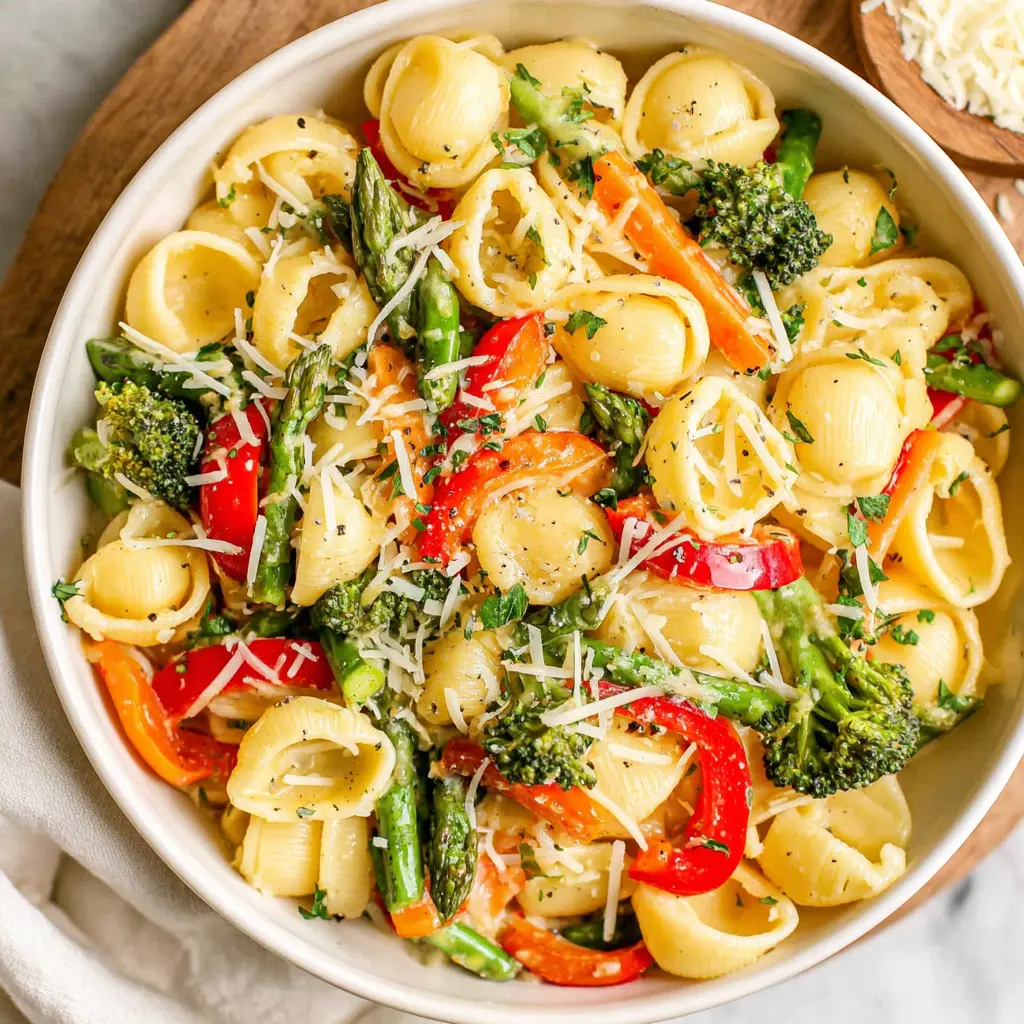
Why This Alfredo Pasta Primavera Works
You know those nights when you want pasta but also want to feel like you’re eating something with vegetables? That’s exactly what this recipe solves. This alfredo pasta primavera is my go-to for those warm summer evenings when you crave something comforting but don’t want to be stuck in a hot kitchen for an hour.
The secret here? A light Meyer lemon broth instead of a heavy cream sauce. Don’t get me wrong, I love a classic fettuccine alfredo, but sometimes it’s just too much. This version gives you that same silky, satisfying feeling but with a bright, fresh twist that lets the vegetables shine. And honestly, it comes together in about 30 minutes. Maybe 35 if you’re chopping slow like me sometimes.
I stumbled onto this combination a few summers ago when I had a bunch of farmers’ market vegetables and a single Meyer lemon that was about to go bad. I was skeptical at first, but the result was honestly better than I expected. The lemon brightens everything up without being sour, and the Parmesan adds that savory depth we all love. It’s become a staple in our kitchen ever since.
Ingredients You’ll Need
Let’s talk about what goes into this pasta primavera alfredo. The ingredient list is pretty straightforward, and most of it is probably already in your fridge or pantry. That’s the beauty of a good summer pasta recipe, right?
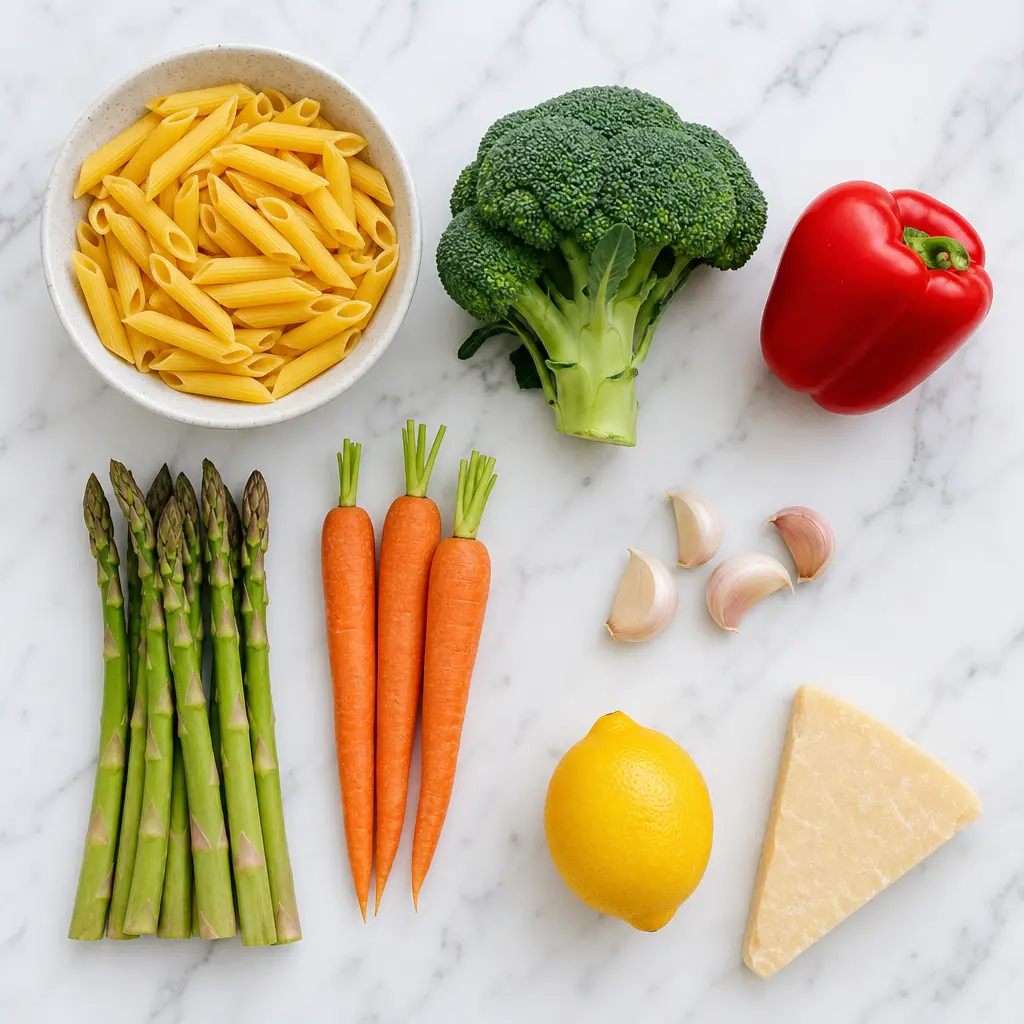
For the pasta and vegetables:
- Penne pasta I use penne here because the sauce clings to those ridges beautifully. But honestly, any short pasta works. Rotini, farfalle, even cellentani if you’re feeling fancy.
- Onion and garlic The aromatic base that starts everything off. Dice the onion small so it melts into the sauce.
- Carrot Sliced into thin rounds. Adds a subtle sweetness and that beautiful orange pop of color.
- Broccoli florets Cut into bite-size pieces. They hold up well to the sauce and add great texture.
- Red bell pepper Diced. I love the sweetness it brings, and it looks gorgeous against the green veggies.
- Asparagus Or zucchini if that’s what you have. Cut into 1-inch pieces. They cook fast, so they go in last.
For the sauce and seasoning:
- Unsalted butter Three tablespoons, divided. We use some for the veggies and some for the sauce.
- Extra-virgin olive oil Preferably California-grown, but any good EVOO works.
- Low-sodium chicken broth Or vegetable broth if you’re keeping it vegetarian. This forms the base of our light sauce.
- Meyer lemon The star of the show. Meyer lemons are sweeter and less acidic than regular lemons, but if you can’t find them, a regular lemon works fine. Just use a little less.
- Freshly grated Parmesan cheese Please, please use the real stuff from a block. The pre-grated stuff in the green can just won’t melt the same way, and you’ll end up with a grainy sauce.
- Fresh flat-leaf parsley For that pop of freshness at the end.
How to Make Alfredo Pasta Primavera
Alright, let’s get cooking. I’ll walk you through the four main stages here. The key is to work efficiently and trust the process. This is a 30 minute pasta dinner, so we’re moving fast but not rushing.
Stage 1: Cook the Pasta
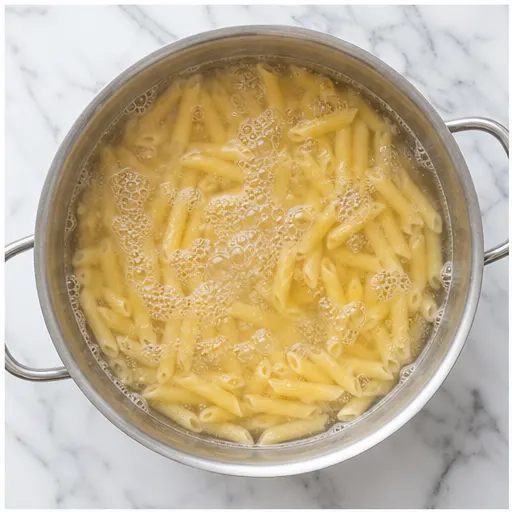
Start by bringing a large pot of generously salted water to a boil. And I mean generously salted it should taste like the sea. This is your main chance to season the pasta itself, especially since our sauce is on the lighter side. Add the penne and cook until 1 minute shy of al dente according to the package directions. It’ll finish cooking in the sauce, so you want it slightly underdone here.
Before you drain the pasta, reserve 1/4 cup of that starchy pasta water. This is liquid gold, I promise. It helps emulsify the sauce and makes everything silky. Set the pasta aside for now.
Stage 2: Sauté the Vegetables
While the pasta is cooking, heat 2 tablespoons of the butter and the olive oil in a large skillet over medium heat. Add the diced onion and cook until it softens about 2 minutes. You should start smelling that sweet, aromatic garlic-onion thing happening.
Stir in the carrot and cook for 1 minute. Then add the broccoli and bell pepper, cooking for another minute. Finally, add the asparagus and minced garlic. If the pan looks dry at this point, add that remaining tablespoon of butter just before the asparagus goes in. Season everything with salt and pepper, then transfer the vegetables to a plate and set aside.
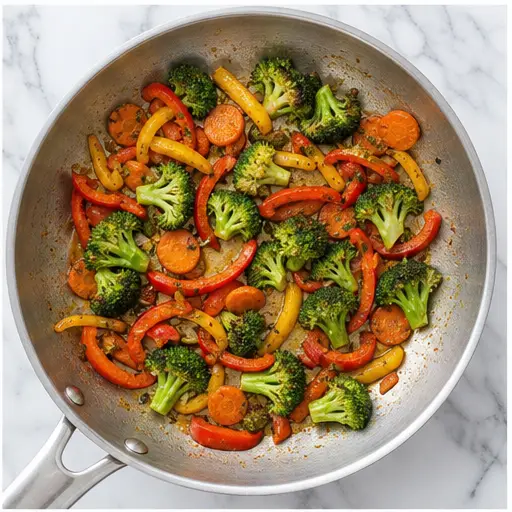
Quick tip: Don’t overcook the vegetables here. They should still have a bright crunch when they go into the sauce. They’ll soften just a bit more when we toss everything together at the end.
Stage 3: Make the Sauce
Now, to the now-empty skillet, add the remaining 1 tablespoon of butter, the chicken broth, Meyer lemon juice, and that reserved pasta water. Bring it to a boil and scrape up any browned bits from the bottom of the pan that’s where so much flavor lives. Let it simmer for 2 to 3 minutes. You’ll see it start to reduce and thicken slightly.
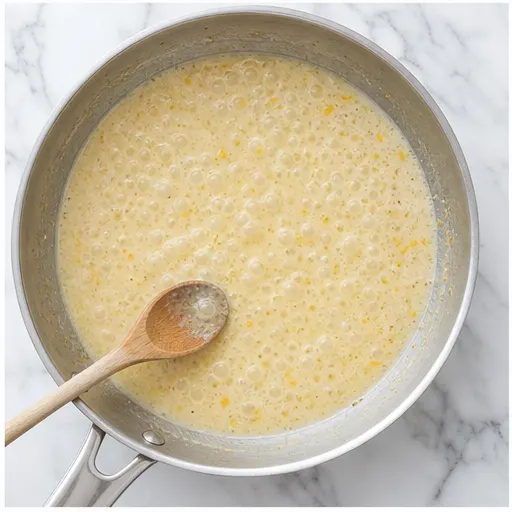
Add the cooked pasta to the skillet and toss to coat. Continue simmering for 3 to 4 minutes, stirring occasionally. You’re looking for the sauce to reduce by about half and start clinging to the noodles. If it looks a little thin, don’t worry just keep tossing and let it cook a bit longer.
Stage 4: Finish and Serve
Return the sautéed vegetables to the skillet and toss everything together. Taste and adjust the seasoning with salt and pepper. Sprinkle with freshly grated Parmesan and minced parsley. Toss once more to let that cheese melt into the sauce.
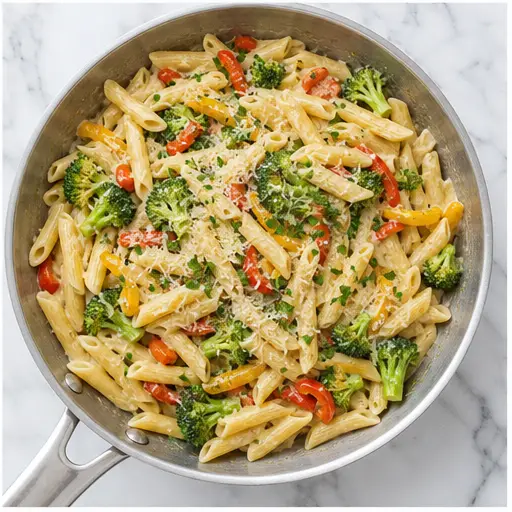
Serve immediately with extra Parmesan and lemon wedges on the side. The cheese adds a final salty, savory punch, and a squeeze of fresh lemon right before eating brightens everything up beautifully.
Recipe Shortcuts and Variations
This alfredo pasta primavera is super flexible, which is one of the reasons I love it. Here are some ways to make it your own or save time on a busy weeknight.
Time-saving shortcuts:
- Use pre-cut vegetables from the grocery store salad bar. It costs a little more, but it saves a ton of chopping time.
- Cook the pasta and chop the vegetables the night before. Store them in airtight containers in the fridge, and dinner comes together in about 15 minutes.
- If you really want to use jarred Alfredo sauce, you can, but I’d recommend thinning it with a little broth and lemon juice to lighten it up. The texture won’t be quite the same, but it’ll still be tasty.
Vegetable swaps: This is your canvas. Swap in whatever vegetables are in your fridge or at the farmers’ market. Peas, mushrooms, spinach, zucchini, summer squash, green beans they all work. Just adjust the cooking time based on how tender the vegetable is. Delicate things like spinach go in at the very end, while heartier things like green beans need a few extra minutes.
Add protein: Cook 1 pound of chicken, shrimp, or salmon separately and toss it in at the end for a heartier main dish. I’ve done this with grilled chicken and it’s fantastic.
Make it vegetarian: Use vegetable broth instead of chicken broth one-to-one. Everything else stays the same.
Want it creamier? Stir in 2 to 3 tablespoons of heavy cream or an extra handful of Parmesan at the end. It’ll give you that richer, more traditional Alfredo texture while still keeping the vegetables as the star.
Storage and Reheating Tips
Leftovers of this creamy pasta with vegetables keep well, but there are a few tricks to make sure it stays good. Store leftovers in an airtight container in the refrigerator for up to 3 days. The pasta will absorb some of the sauce overnight, so it’ll be a little less saucy the next day, but the flavor will still be there.
Reheating: The best way to reheat is on the stovetop over low heat with a splash of broth or water. This helps loosen the sauce back up. Microwave works in a pinch, but go in 30-second intervals and stir between each one to avoid hot spots.
Freezing: Honestly, I don’t recommend freezing this one. The vegetables get mushy when thawed, and the sauce can separate. It’s really best enjoyed fresh or within a couple of days.
Frequently Asked Questions
More Spring Pasta Recipes to Try
If you loved this alfredo pasta primavera, you might also enjoy some of our other seasonal pasta dishes. Spring and summer are the perfect times to experiment with fresh vegetables and light sauces. Think lemon herb pasta with peas and asparagus, or a simple garlic and olive oil spaghetti with cherry tomatoes and basil. The possibilities are endless when the farmers’ market is bursting with produce.
This recipe has become a staple in our kitchen for good reason. It’s quick, it’s satisfying, and it makes you feel like you’re eating something healthy without sacrificing any of the comfort. You just made a restaurant-worthy dish in under 30 minutes. Revel in it.
If you try this recipe, I’d love to hear how it went. Share your photos and tag us, or leave a comment below. And if you’re looking for more inspiration, check out our Pinterest board for more quick weeknight dinner ideas.
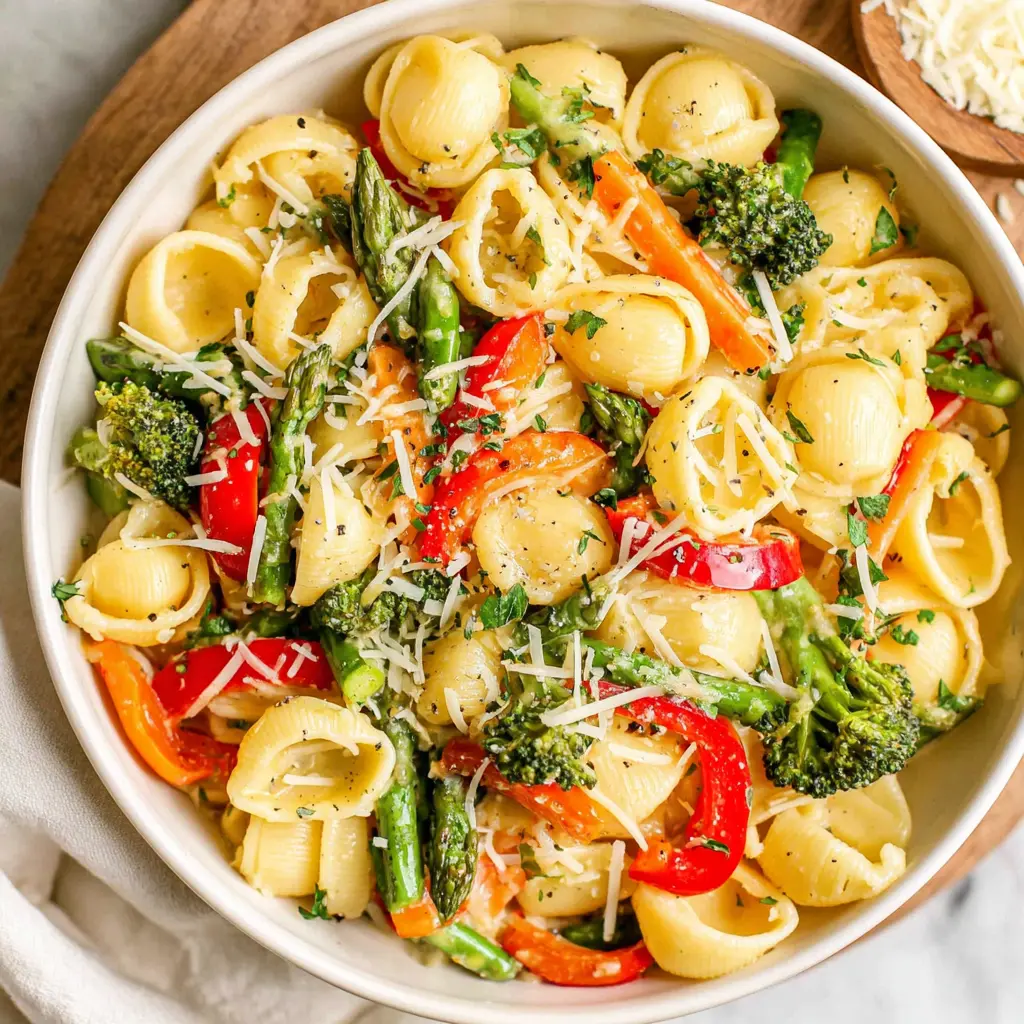
California-Style Alfredo Pasta Primavera with Meyer Lemon
Ingredients
Method
- Bring a large pot of generously salted water to a boil. Add the penne and cook until 1 minute shy of al dente according to package directions. Reserve 1/4 cup of the pasta cooking water, then drain the pasta and set it aside.
- While the pasta cooks, heat 2 tablespoons of the butter and the olive oil in a large skillet over medium heat. Add the diced onion and cook until softened, about 2 minutes.
- Stir in the carrot and cook for 1 minute. Add the broccoli and bell pepper, cooking for another minute. Then add the asparagus (or zucchini) and minced garlic. If the pan looks dry, add the remaining tablespoon of butter just before adding the asparagus. Season the vegetables with salt and pepper, then transfer them to a plate and set aside.
- To the now-empty skillet, add the remaining 1 tablespoon of butter, the chicken broth, Meyer lemon juice, and the reserved pasta water. Bring to a boil, scraping up any browned bits from the bottom of the pan. Let it simmer for 2 to 3 minutes.
- Add the cooked pasta to the skillet and toss to coat. Continue simmering for 3 to 4 minutes, stirring occasionally, until the sauce reduces by half and clings to the noodles.
- Return the sautéed vegetables to the skillet and toss everything together. Taste and adjust seasoning with salt and pepper. Sprinkle with freshly grated Parmesan and minced parsley. Serve immediately with extra Parmesan and lemon wedges on the side, if desired.
Nutrition
Notes
Tried this recipe?
Let us know how it was!Source: Nutritional Information